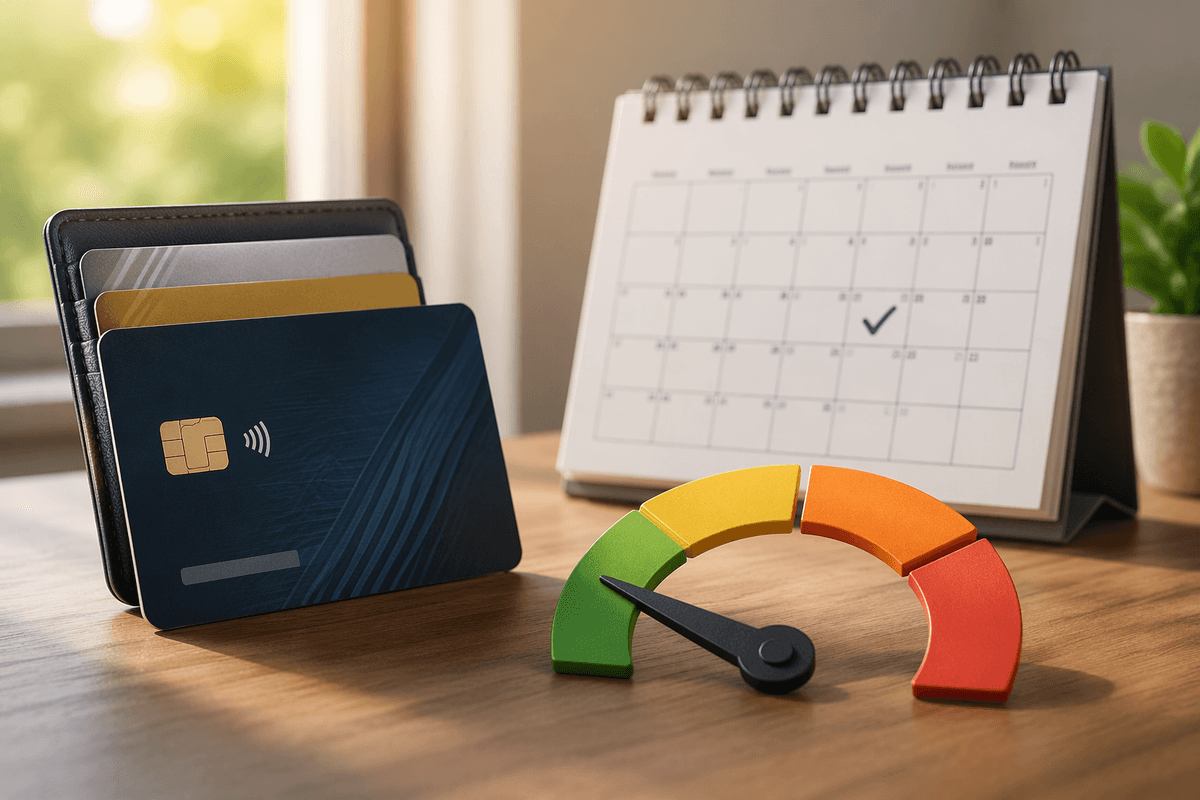
The receipt you hoped would pay you back
You scan a long receipt, upload it, and wait for the little “approved” badge that’s supposed to turn errands into money. It’s an easy story to believe, especially when groceries are up and every checkout line feels like a small hit to your budget. The friction shows up fast: the app wants a clearer photo, the store name doesn’t match, or the offer vanished between aisle three and the register. Meanwhile, the balance sits at $2.15—real, but not exactly rent-helping. That gap between what you expected and what actually posts is where most “paid to shop” plans either click or quietly get deleted.
A receipt can pay you back, but it rarely behaves like a paycheck. Most platforms treat receipts as proof for tiny rebates, limited-time offers, or points that only matter after you cross a minimum cash-out. Timing becomes the first constraint: upload windows can be short, and delays or rejections happen when items don’t match the offer exactly.
The other constraint is math. If a typical trip earns $0.25 to $2 and you shop weekly, the “income” is more like a slow discount you have to claim perfectly. That’s still useful—just different from the promise that the receipt itself is a side hustle.
Reality check: how much 'paid to shop' pays
Once the novelty fades, the useful question becomes: what does this return per hour, not per receipt. If an app averages $0.50–$1.50 per grocery trip and a clean upload takes 3–5 minutes (plus the occasional resubmission), the effective rate swings wildly. The floor is close to zero when an item doesn’t match exactly or the offer caps out; the ceiling shows up when a stacked promo hits, but it’s not repeatable.
Cashback portals and card-linked offers are steadier, but they track your spending level. A 2% return on $300 of monthly household shopping is $6; a strong 8% promo on a single $200 order is $16, but only if you were buying it anyway. Mystery shopping and paid audits can reach $10–$30 per assignment, then lose altitude after mileage, timing windows, and waiting weeks for approval.
Before sign-ups: fees, privacy, and payout traps
Right about here is when the “easy money” apps start asking for commitment. A signup isn’t just an email anymore; it’s a phone number, a PayPal or bank link, and permission to watch purchases in the background. If the payout is only a few dollars a month, that trade can feel lopsided, especially when the app wants receipt access, location tracking, or a linked card to “auto-verify” spending.
The traps are usually boring, not dramatic. Some platforms bury cash-out minimums ($10, $20, sometimes higher), then add waiting periods, points conversions, or gift-card-only payouts that push you into spending again. Fees show up indirectly: “instant” withdrawals that cost a cut, premium tiers that promise better offers, or returns that get clawed back when you refund an item. Before you commit, check: minimum cash-out, payout method, typical approval time, and what data you’re handing over for that rate.
Fast wins for your own everyday purchases
After the privacy and payout fine print, the quickest “wins” usually come from setups that don’t require you to change what you buy. The pattern that holds up is boring: one default card, one default browser path, and one receipt habit. If you’re switching apps at the register or hunting for offers mid‑trip, the time cost eats the benefit.
Start with card-linked offers (from your bank or a rewards program) for things you already pay every month—gas, pharmacy, big-box, streaming, even occasional fast food. They’re low-effort because there’s no receipt to argue about, but the constraint is activation timing: if you didn’t click “add offer” before paying, it doesn’t count. Next, route any planned online order through a cashback portal before checkout. The friction is the one missed step—if you compare prices in five tabs and forget to start from the portal, the tracking often fails.
Then add a receipt app only as a backstop: snap once, same lighting, same counter, same routine. Keep expectations tight—think “stacked discount,” not “side income.” If your monthly household spend is $400–$800, a realistic fast win is turning scattered 1–3% returns into something closer to 3–7% on the same purchases, without adding extra trips or buying weird filler items to hit a bonus.
Make discounts feel like income, not clutter
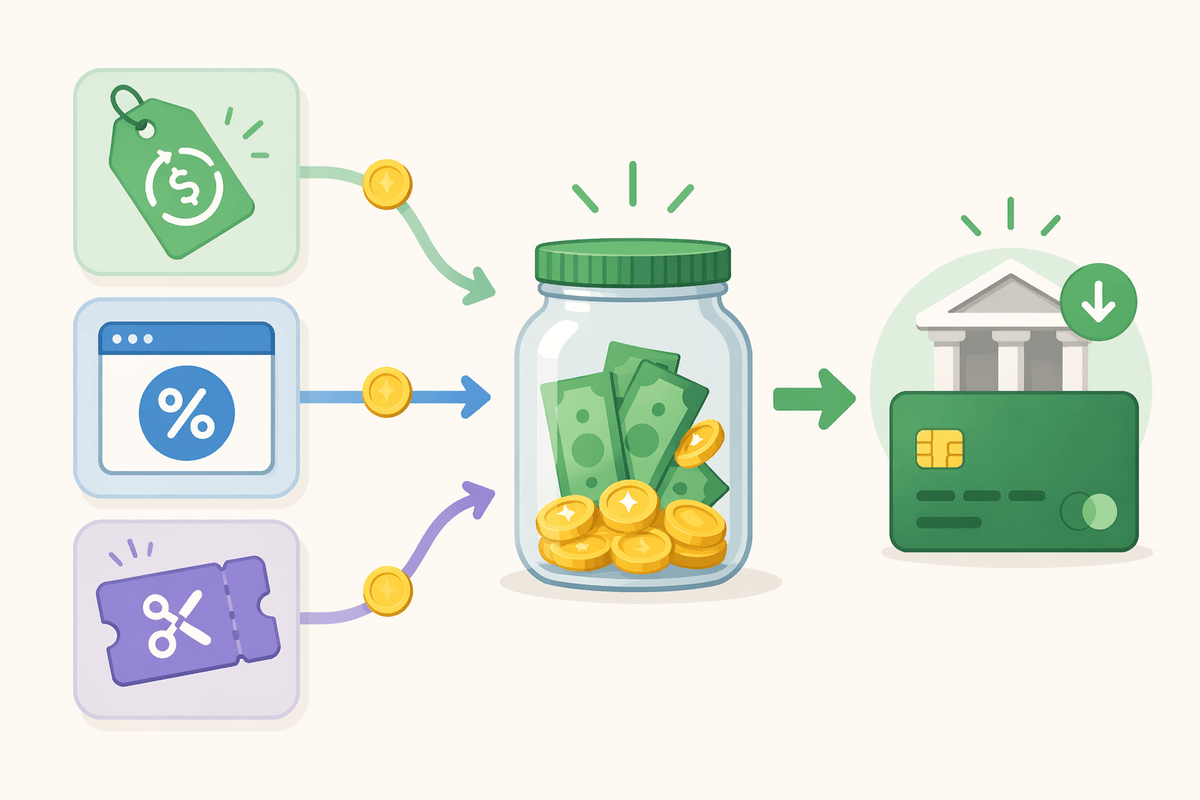
Once you’ve stacked a few wins, the new problem isn’t earning—it’s losing track. A $1.25 rebate here and a 4% portal credit there starts to feel like clutter when it lands in three different balances with three different cash‑out rules. The constraint is mental bandwidth: if you can’t see it, you stop claiming it, and “extra” becomes noise.
I’ve found the cleanest fix is to treat discounts like cash with one simple ledger. Pick one “cash bucket” app or spreadsheet line, then log only the moment value becomes real: cash-out, statement credit, or deposit. Until then, it’s pending, not income. Set a single monthly sweep date, and stop chasing stragglers that cost more time than they return.
The goal is a repeatable payout rhythm—$15 landing on the same week each month beats $40 scattered across gift cards you forget to use.
Shopping for others when you need real cash
Eventually the question shifts from “How do I discount my own errands?” to “How do I turn time into cash this week?” Shopping for other people can do that, but the constraint is reliability: the app may show plenty of orders, then go quiet in your ZIP code, or only push the profitable batches at odd hours. You also front risk—substitutions get rejected, tips change, and a “$22 batch” can slide after mileage, parking, and the extra 15 minutes hunting one missing item.
The assignments that behave most like real money have tighter rules. Grocery delivery and store runs pay faster, but require a clean acceptance strategy: set a minimum dollars-per-mile, avoid multi-store stacks until you know your pace, and don’t count promos you can’t repeat. Keep a hard cutoff for total time in-store; if it’s turning into a scavenger hunt, your hourly rate collapses.
If you need cash, not points, prioritize platforms with predictable cash-out timing, track fuel immediately, and treat tips as variable—helpful, not guaranteed.
Paid evaluations and recommendations that can scale
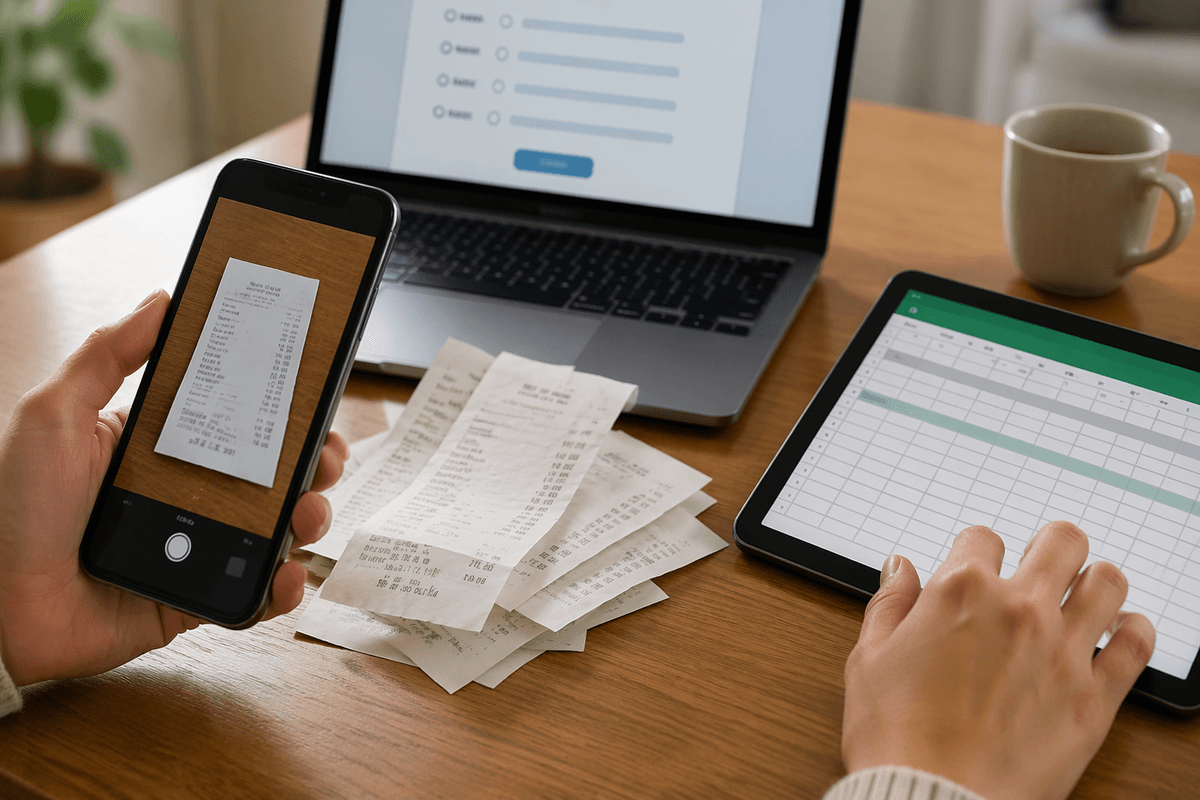
After you’ve done other people’s shopping a few times, the ceiling becomes obvious: you only get paid while you’re on the move. The scalable layer is evaluations—short, repeatable tasks where one good process lets you finish more per hour without adding miles. The constraint is access: the better panels and product tests don’t accept everyone, and the “we’ll email you later” wait can be weeks.
Paid surveys, receipt-linked “shopping diaries,” and user-testing style reviews can work if you treat them like a pipeline. Set a weekly time block, apply to several reputable platforms, and track which ones actually screen you in. Ignore anything that charges a signup fee or promises guaranteed acceptance.
Recommendations scale when they’re tied to purchases that already happen. Use a single affiliate link hub for the handful of products you genuinely keep buying, then measure click-to-payout over 30 days. If refunds and reversals wipe out most commissions, it’s not a channel—it’s a distraction.
Pick two methods, run a 30‑day test
At this point, the mistake is trying to “cover everything” and ending up with four dashboards, two pending balances, and no clear signal. Pick two lanes for the next 30 days: one that discounts your own spending (card-linked offers or a portal), and one that pays for time (shopping batches or paid evaluations). Keep the constraint upfront: no new subscriptions, no buying extras to “unlock” bonuses, no apps that won’t show a payout method and minimum.
Run the test like a small audit. Track five numbers: minutes spent, miles (if any), out-of-pocket costs, gross rewards earned, and cash actually deposited. After day 30, keep the method that produced the cleanest dollars-per-hour with the least privacy creep, and drop the rest without guilt.


![6 Best ButterflyMX Alternatives [Video Intercom Systems]](static/image/2026/07/14/dde0dbcd-f7bc-446a-96b8-3fe8a10457ef.png)