The real issue isn’t airlines—it’s inconsistency
At 06:40 in BER Terminal 1, I stood by the gate screen with a coffee going cold, toggling between a “delayed” banner and an airline app that still insisted we were “on time.” I’d booked the trip 18 days earlier because that’s the sweet spot for price, but the moment the schedule slipped, the real question wasn’t the airline’s mood—it was which set of rules would actually apply. Even before boarding, you can feel the mismatch between what you assume is EU-standard and what the fine print quietly redefines.
EU261 is the part people remember—delay thresholds, care, and potential compensation—but it’s only one layer, and it’s full of timing traps. A two-hour delay at departure can matter less than the arrival time, and “extraordinary circumstances” (weather, ATC, certain strikes) can flip a clean claim into a dead end, depending on how the disruption is coded. That’s where it starts to feel like two parallel systems: a legal framework that sounds uniform, and operational excuses that vary by carrier, airport, and even which subcontractor handled the flight.
Then the airline-specific rules pile on: voucher-first refund flows, carry-on sizes that change between brands sharing the same aircraft, and rebooking promises that work great on paper but collapse when the last evening flight is full. Cheap fares buy you flexibility only if nothing breaks; when it does, the trade-off is time—your scarcest resource on a 2–4 day trip.
What rules are they trying to simplify?
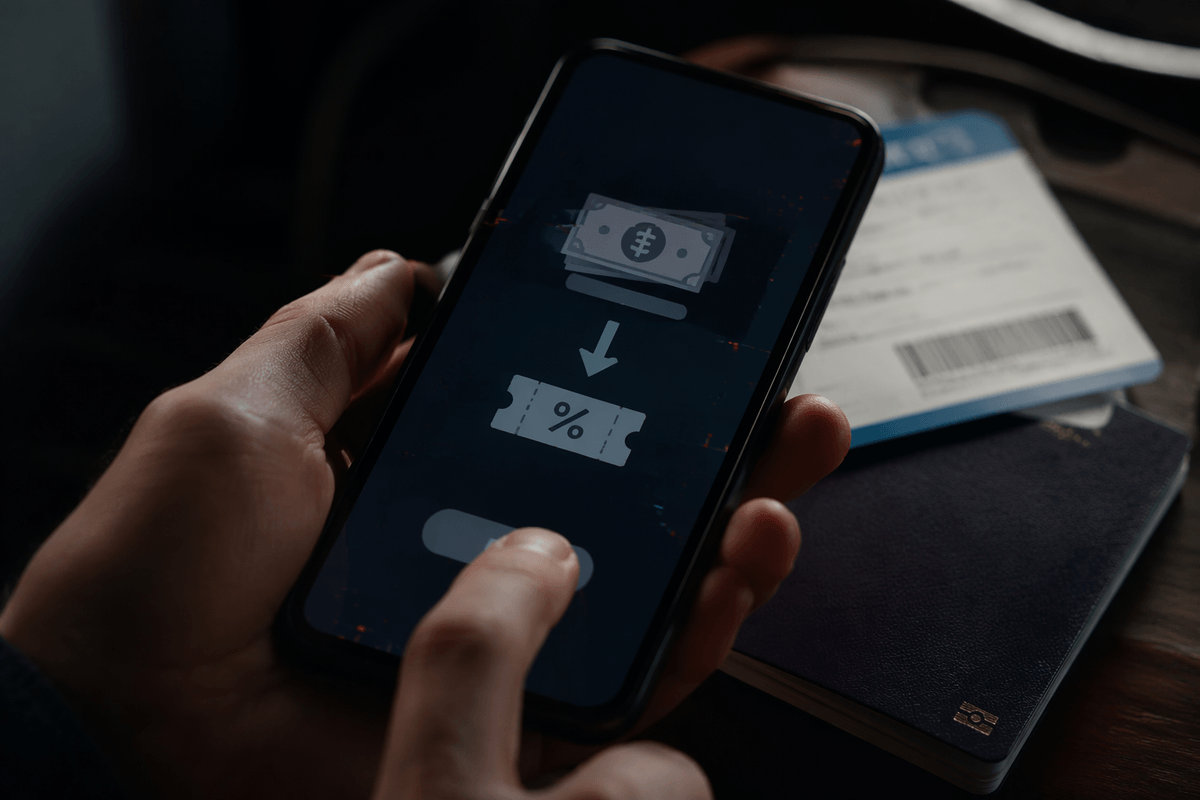
At 21:15 in a cramped hotel lobby near München Hbf, I watched a “refund” button turn into a voucher pop-up after two taps, with a 48-hour countdown I didn’t have time to evaluate. The interface looked uniform; the outcome wasn’t. That’s the gap simplification is supposed to close: when you’re tired, late, and trying to salvage tomorrow’s meetings, the rules shouldn’t mutate mid-click.
In practice, there are three rule stacks they keep trying to make feel like “one EU rulebook.” First is EU-wide passenger rights (EU261): re-routing vs refund, duty of care (meals, hotels), and compensation that hinges on arrival delay and on whether the airline can label the cause “extraordinary.” Second is airline contract policy: fare families, change fees, voucher-first nudges, and the very non-EU261 stuff like carry-on dimensions or whether a “personal item” can be a slim laptop bag. Third is operational reality—ATC restrictions, airport staffing, subcontracted ground handling—which often decides what you’re offered, even when the law says you have options.
“Simpler rules” usually means fewer gray zones and fewer hand-offs: clearer definitions for disruption causes, more consistent proof requirements, and a cleaner path to cash refunds instead of endless voucher funnels. That helps if you fly 6–10 times a year and book 2–3 weeks out; it doesn’t help much if the last flight is full and you need to be in Brussels by 09:00. In that case, the most useful simplification is knowing, in the moment, which right you can actually enforce without turning the trip into a second job.
Where complexity hits your trip hardest
At 17:58 in AMS, I paused at a self-service kiosk because it offered “refund,” while the app pushed “rebook tomorrow 06:10” with a 12-minute connection to my last train. The map version of the trip had one clean line from Berlin to the meeting city; the reality version had branches, each with different consequences. Choosing wrong wasn’t dramatic in the moment—it just decided whether I’d spend the evening sleeping or screenshotting.
The first pinch point is the re-routing vs refund fork, because EU261 rights are EU-wide, but the pathway to use them is rarely standardized. If the airline cancels, you can be entitled to re-routing “at the earliest opportunity,” yet “earliest” often means “earliest on our network,” not “earliest that gets you to the office by 09:00.” Rail-to-air alternatives can exist, but they’re a negotiation under time pressure, and the limitation is simple: gate staff can’t invent seats, and call centers melt down exactly when you need them most.
The second pinch point is everything that isn’t EU261 but still costs you time: baggage rules, fare-family restrictions, and proof requirements that change by carrier. A cheaper ticket that looked fine for a 2–4 day trip can turn into a trap when your “personal item” suddenly needs to fit a smaller sizer, or when a delay claim quietly depends on the disruption code you never see. It works best for travelers who can absorb an extra night; if you can’t, the trade-off shifts from money to control.
How simpler rules could change flying

At 05:55, waiting for a gate agent to print a “delay confirmation” slip, I caught myself checking the clock like it was a legal instrument: 119 minutes, 121 minutes, and suddenly the same day can feel like two different outcomes. The paper they hand you is often less about information than about future friction—proof for a claim, proof for a hotel, proof for your employer. Compared with the app’s vague “operational reasons,” a standardized cause label would save more time than any new compensation headline.
If “simpler rules” ever lands in a way you’ll feel on a 2–4 day trip, it’s likely in three places: definitions, defaults, and deadlines. Definitions: fewer escape hatches around what counts as extraordinary, and a clearer rule for strikes and ATC knock-ons, so the same disruption doesn’t get coded differently depending on airline or country. Defaults: cash refund presented as a true equal to vouchers (not a buried link), and re-routing obligations that acknowledge “earliest that gets you there” rather than “earliest seat we control.” Deadlines: tighter, EU-wide response times for claims, because right now the slowest part is rarely the flight—it’s the waiting.
None of this makes seats appear when the last evening flight is full, and it won’t fix a thunderstorm parked over Frankfurt. Still, it would change who wins under time pressure: less time arguing at a desk, more time making a clean choice. If you’re booking 2–3 weeks out on mid-range fares, simpler rules matter most when they reduce the documentation burden—so the decision becomes “reroute or refund,” not “reroute, refund, and a side quest.”
What I’d do before your next flight
At 19:12, two days before a client sprint in Paris, I hovered over the cheapest fare and noticed the “no changes, voucher-only refund” line buried under three taps. The price gap was €48, but the timing risk wasn’t symmetrical: if the last flight of the day slipped, my whole 2–4 day trip would. I still book mid-range, I just treat the fare rules like a schedule dependency, not a footnote.
Before I pay, I separate what’s EU-wide from what’s carrier-specific. EU261 is about disruption outcomes (care, rerouting vs refund, potential compensation tied to arrival delay and the cause), so I plan around “can I arrive on time?” rather than “will they say sorry.” Everything else—carry-on sizing, fare-family restrictions, voucher funnels—is airline contract territory, and that’s where I choose predictability: a ticket that allows same-day reroute or at least doesn’t lock me into a voucher if the trip collapses.
Then I pre-load the paperwork so it doesn’t become the trip. I screenshot the booking terms, save boarding pass and bag tags, and when things wobble I ask for a written disruption confirmation (or at least a timestamped app message) while I still have battery and signal. If the delay looks like it’ll cross a threshold, I decide early: reroute to protect the meeting, or refund to stop the bleed—because the worst option is waiting until midnight to start negotiating with a chatbot.








![Learn to Invest by Yourself [Beat the Market With Investing Basics]](static/image/2026/07/14/0c228cd1-fbac-42e5-9480-a2074601a70d.png)
![6 Best ButterflyMX Alternatives [Video Intercom Systems]](static/image/2026/07/14/dde0dbcd-f7bc-446a-96b8-3fe8a10457ef.png)