Budget Germany is about choices, not deprivation
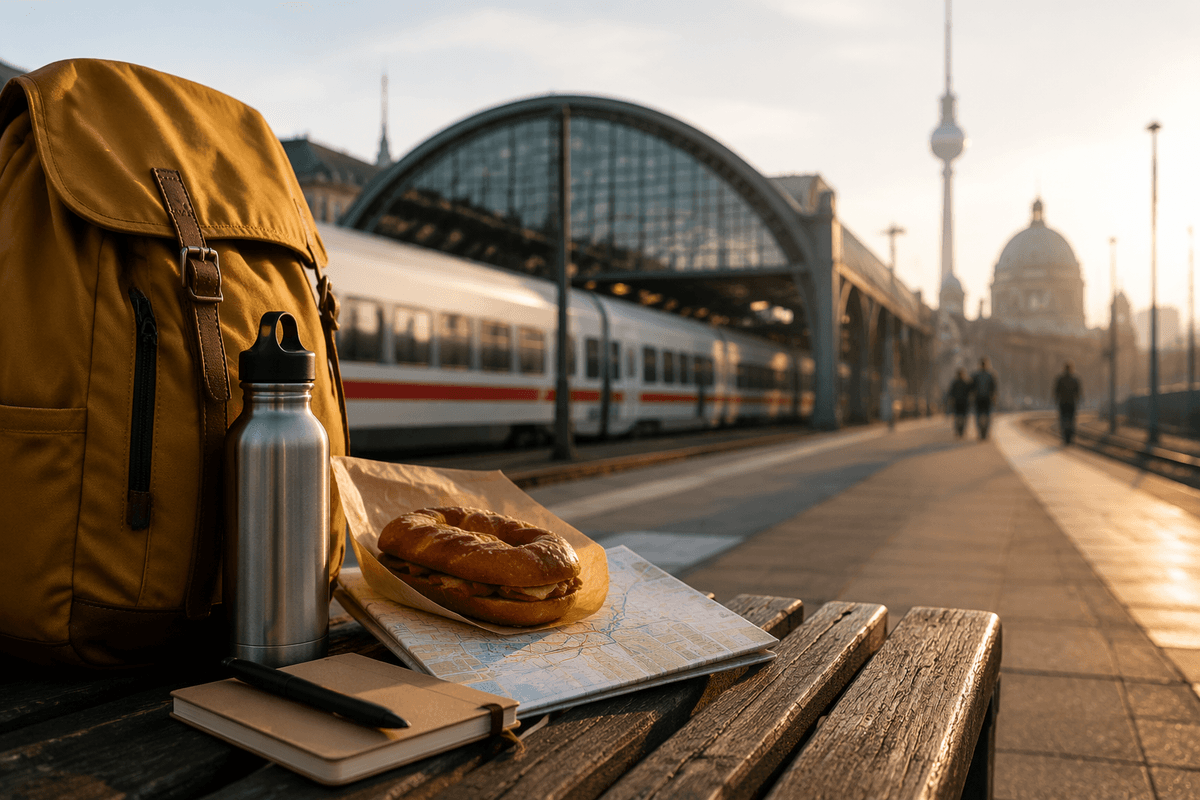
I stalled at the Berlin Hbf ticket machines with a half-dead phone and a screenshot of three different “best” options: a Sparpreis fare, a regional day ticket, and a long-distance bus leaving from a stop I couldn’t picture. The numbers weren’t wildly different—until the fine print started stacking up: seat reservations here, peak-time restrictions there, a 40-minute cross-town transfer that looked trivial on a map. In that moment, “budget” didn’t feel like skipping things; it felt like picking the right kind of hassle.
Germany can be expensive if you treat every decision like a one-off purchase. The cheaper version usually comes from repeating a few smart defaults: pay for speed only when it actually saves hours, and use predictable, boring tickets when your route is simple. If you’re booking 1–2 weeks ahead, Deutsche Bahn deals can beat buses on both time and comfort, but they punish spontaneity. Regional tickets and the Deutschlandticket reward flexibility, yet they cap your speed—great for a day of nearby cities, frustrating for a tight Berlin-to-Munich jump.
The non-deprivation mindset is spending where it protects your day: one clean bed near a station can be cheaper than a bargain hostel that forces two extra U-Bahn rides and a late check-in queue. Same with food—one solid lunch special beats grazing on convenience snacks that somehow costs more and tastes like it. If your plan is “Berlin plus 2–3 cities,” the goal isn’t the absolute lowest price; it’s the lowest price that doesn’t steal your hours.
Pick regions that keep costs low
At 7:18 a.m., I traced a neat triangle on my phone—Berlin to Munich to Cologne—and it looked perfectly efficient until I zoomed in and saw the prices jump with every long, cross-country leg. A €29 bed in one city became €55 in the next, and the “quick” routes were the ones that punished late booking. The map was tidy; the budget wasn’t.
If you want Germany to feel affordable on €60–80/day, pick regions where cities cluster close enough for regional trains, day tickets, and cheap buses to actually compete. Berlin is a strong anchor because Brandenburg day trips (Potsdam, lakes, smaller towns) don’t force pricey ICE segments, and food options skew student-friendly. Pair it with Saxony (Leipzig + Dresden) and you get two “big enough” cities with generally lower lodging than Munich or Frankfurt—at the cost of slightly longer regional connections if you avoid ICE.
Bavaria is gorgeous, but a Berlin–Munich jump is where “I’ll decide later” gets expensive fast; it works best for people willing to lock in one or two long-distance tickets early, then slow-travel locally. The Rhine/Ruhr corridor can be cheap per night, yet route planning gets messy: many cities, frequent transfers, and stations that aren’t always “cute” after midnight. If you’re choosing two add-on cities, a tight Berlin–Leipzig–Dresden loop usually keeps both your transit time and your daily spend from ballooning.
Ride Germany cheaply without losing time
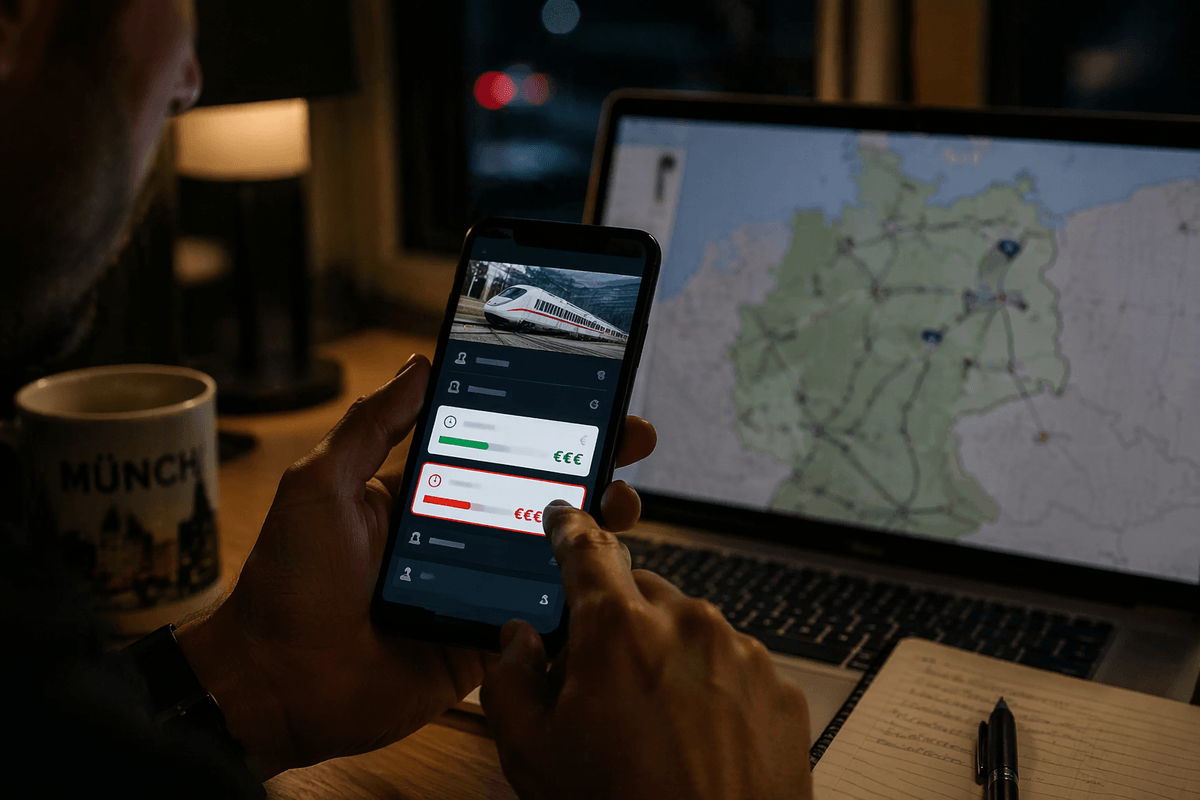
I watched the DB Navigator app refresh on a Tuesday night and the Berlin–Munich fare I’d screenshotted at €29.90 was suddenly €59.90—same train, same departure, just a later decision. The bus was still cheap, but it left from ZOB at 6:10 a.m., which meant a dark U-Bahn ride and a morning you don’t really get back. That’s the first transport lesson here: “cheap” changes fast, and time leaks through the seams.
For long jumps (Berlin to Munich, Cologne, Hamburg), treat Sparpreis/Super Sparpreis like flight deals: book 7–14 days out if you can, and accept the limitation that you’re locked to that specific train. If you’re the kind of traveler who changes plans when the weather turns, that rigidity can bite harder than the price. Seat reservations are a comfort upgrade, not a requirement, but on busy Fridays they can be the difference between working on the ride versus guarding a backpack in the aisle.
Once you’re moving within a region, flip your default: regional trains + day tickets beat ICE on value, even if they cost you 20–40 minutes and a transfer. The Deutschlandticket is the blunt tool—great if you’ll ride local/regional transit almost daily, pointless if you’re doing two big intercity hops and then walking everywhere. Long-distance buses win on pure euros, but they’re least forgiving when you’re tired: stations are farther out, delays stack, and arrival times don’t always match hostel check-in.
Sleep well for less money
At 10:47 p.m., I stood outside a hostel in Neukölln with a code that wouldn’t work, my backpack sliding off one shoulder, and a DB delay notification still glowing on my screen. The bed was cheap—€28 on paper—but the trade-off showed up in small ways: a late-night check-in window, a longer U-Bahn ride, and the quiet fear of being “that person” waking a whole dorm.
The price gap in Germany isn’t just hostel vs hotel; it’s location and friction. A slightly pricier bed near Berlin Hbf or Leipzig Hbf can save you two paid transit rides a day and a lot of dead time waiting on platforms—especially if you’re doing early regional departures or arriving on a late bus. For a 10-day trip, that convenience can beat the raw nightly savings of outer neighborhoods that look close on a map but turn into 35 minutes plus a transfer. Dorms work best if you’ll be out all day and can tolerate noise; private rooms in hostels often hit the sweet spot when you’re juggling long travel days and want sleep that actually “counts.”
Booking 1–2 weeks ahead is enough to lock decent deals, but it’s also when the good-value places disappear first: anything clean, central-ish, and flexible on cancellation. If your route is still squishy, pay for free cancellation in one or two key cities and keep the rest strict-rate; it’s a boring compromise, but it prevents the classic budget failure of overpaying last-minute. Watch for add-ons that mimic hidden transport fees—linen charges, cash-only deposits, “city tax” surprises—and remember that a free breakfast can be worth more than it sounds when €6–10 mornings add up. If a place saves money but forces you into midnight transfers, that’s the kind of cheap that quietly steals your next day.
Eat and sightsee like a local
I hesitated in front of a bakery case in Leipzig at 12:06, trying to decide if a €1.90 pretzel was lunch or just a mistake that would send me hunting again in an hour. Two steps away, a student queue was moving fast at a cafeteria-style counter with Tagesgericht on a chalkboard. The price difference wasn’t huge; the timing was.
For €60–80/day, the local-eats win is usually “one real meal at midday, then cheap filler.” Mensas at universities (some allow guests), lunch specials, and Imbiss spots (Döner, currywurst, falafel) hit the sweet spot: warm, fast, and predictable, especially on travel days when you’re already spending mental energy on platforms and transfers. Sit-down dinner can be worth it if it’s your social evening; if you’re solo and tired, it often becomes the priciest hour you barely enjoy. Bakeries and supermarkets are your gap-fillers—works great for breakfast, less great if you’re walking 25,000 steps and need protein.
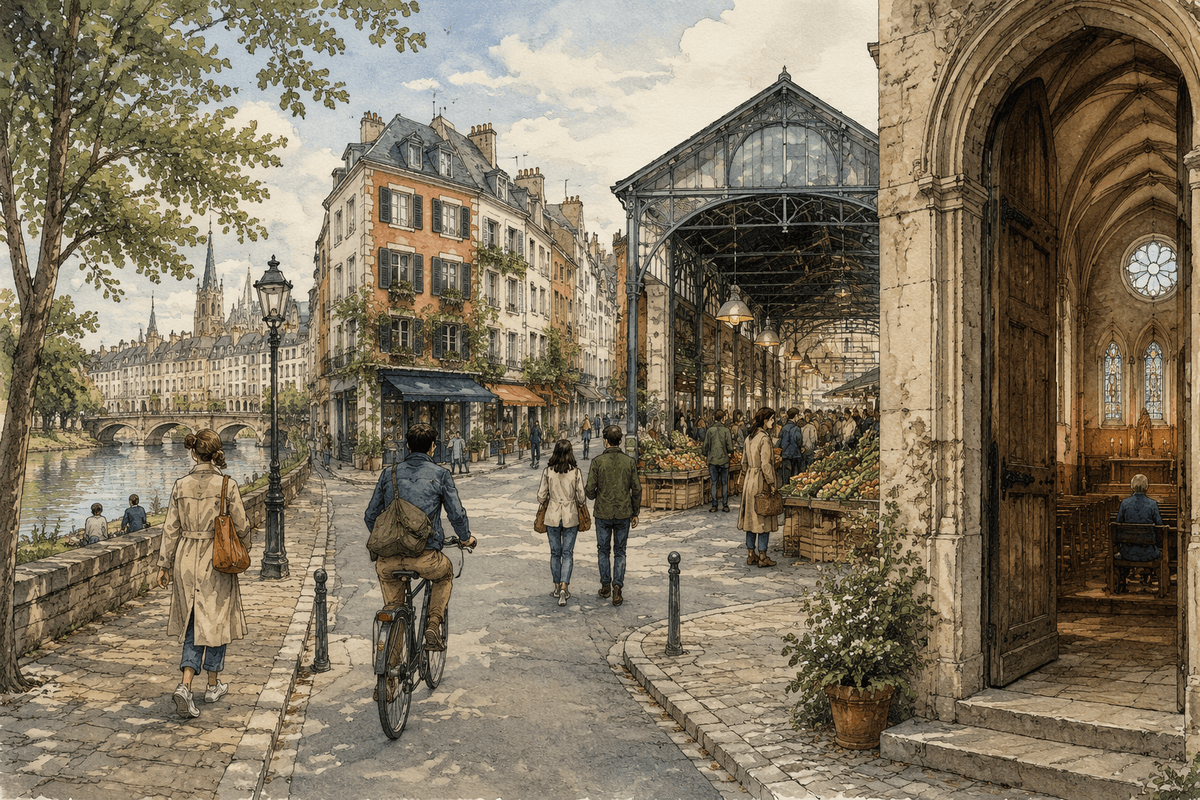
Sightseeing gets cheaper when you stop treating every landmark like a ticketed event. Cities reward walking routes: a river path, a neighborhood loop, a market hall, a church you duck into for ten quiet minutes. Museums are the trade-off zone—paying €12 once can beat bouncing between “free” stops that cost time and transit, but only if you can stay focused for two hours. If you’re choosing, pick one paid highlight per city and let the rest be street-level Germany.
The cheapest plan that still feels German
At 6:32 p.m., I hovered over the “Buy” button in DB Navigator with two tabs open: a €19.99 bus to Dresden and a regional route that was only a few euros more but added a transfer I didn’t fully trust. My backpack was already half-packed, and the only concrete constraint was a hostel check-in window that didn’t care about my “flexible itinerary.” It felt less like trip planning and more like choosing which kind of stress I could tolerate tomorrow.
If you want the cheapest 10-day plan that still feels like Germany (not a spreadsheet), build it around one base with dense local transit, then one compact side-loop. Berlin works because you can spend “museum money” on time instead: walking neighborhoods, markets, and lakes cost almost nothing, and day trips like Potsdam don’t force long ICE segments. A realistic €60–80/day rhythm is: book beds 7–14 days ahead near a Hauptbahnhof (or one clean transit line away), eat one midday plate meal, and keep dinners light. It works best for travelers who like repeating a routine; it’s less satisfying if you need a new city every other night.
For transport, treat long-distance like a single controlled expense and everything else like a day-to-day utility. Pick one big intercity hop you’ll commit to early (Berlin → Munich, or Berlin → Cologne), then run regional trains and local transit the rest of the time with day tickets or the Deutschlandticket only if you’ll ride nearly daily. Buses are the emergency lever: cheapest on euros, priciest on fatigue, especially with edge-of-town stations and late arrivals. If you’re torn, pay a little extra for the option that lands you before dark—you’ll feel the difference the next morning.