Why cabbage feels “simple” but acts complex
It often starts with something small: you add extra cabbage to a salad or soup because it feels “light,” and then an hour later your stomach feels oddly busy. The same bowl that looked harmless can leave you comfortably full on one day and a little puffy or gassy on another, which makes it hard to tell whether cabbage is “working” for you or not.
Cabbage is simple on the plate but complicated once it hits your gut. It brings a mix of rougher fiber and more fermentable carbohydrates—parts your body can’t fully break down on its own. If those fermentable bits reach the colon, gut microbes take over, and that process can produce gas and pressure even when everything is technically normal. How fast you eat, what else was in the meal, and whether your gut is already sensitive can shift the experience from “satisfying” to “uncomfortable.”
At the same time, cabbage carries plant compounds and vitamins that don’t announce themselves right away. You may notice appetite and bathroom patterns changing gradually rather than dramatically, which is why “daily cabbage” can feel inconsistent in the short term—yet still add up in the background.
Fiber, fullness, and the slow appetite shift
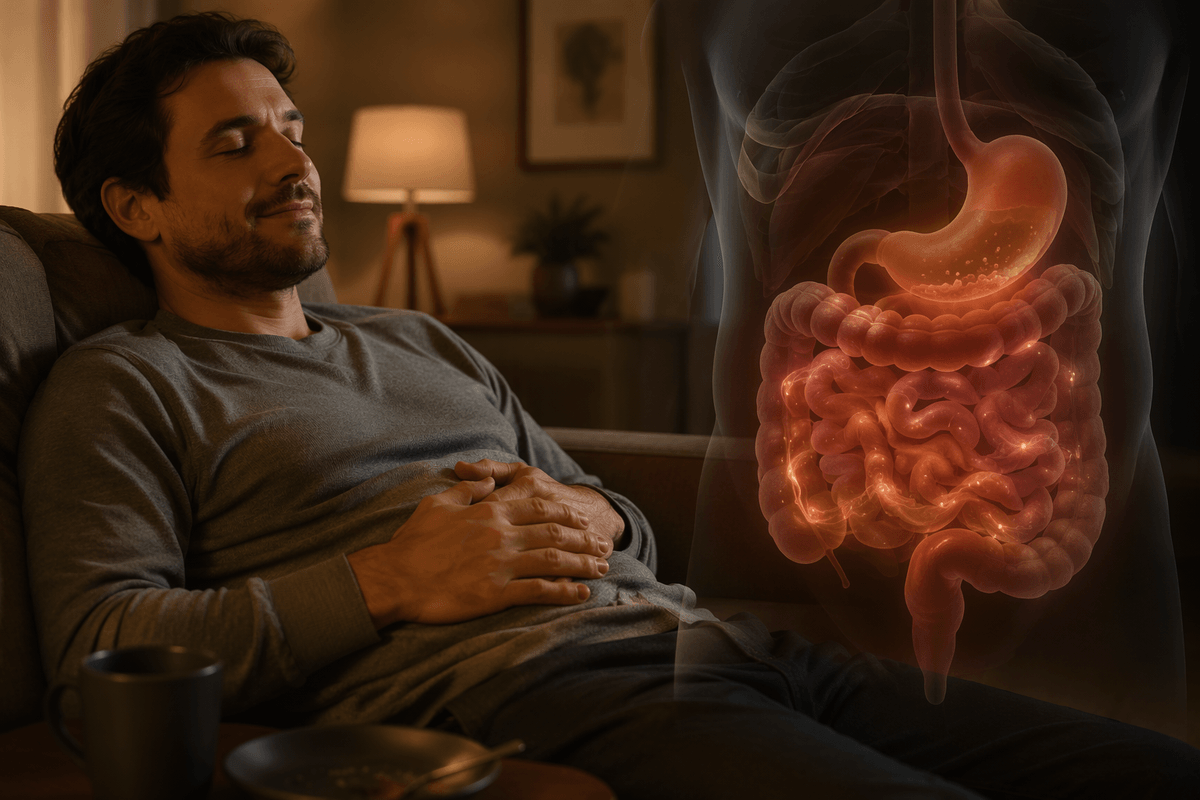
You notice it most on an ordinary afternoon: the snack you usually reach for just doesn’t sound as urgent. Lunch had cabbage in it—maybe a slaw piled onto a sandwich or extra shredded leaves in soup—and your stomach still feels “occupied,” even if the meal wasn’t heavy.
That slow-down often comes from fiber doing two jobs at once. Some of cabbage’s bulkier fiber holds water and adds physical volume, so the stomach stretches a bit more and empties a bit more slowly. At the same time, the fermentable parts can keep the gut “active” lower down, which can feel like steady fullness—or like mild pressure—depending on the day.
The appetite shift may show up before your comfort catches up: you can feel satisfied sooner while your intestines are still adjusting to the extra fiber load. If the portion jumps quickly (raw cabbage especially), fullness can come with more gurgling, and it may take several meals for that pattern to settle into something predictable.
Gut fermentation: when a “healthy” choice backfires
Sometimes the first clue isn’t pain, but sound: a hollow gurgle on the drive home, or a feeling like your waistband got tighter even though you didn’t eat much. It can be especially confusing when the meal was “clean”—a big raw slaw, a cabbage-heavy stir-fry, or a bowl of soup you expected to sit lightly.
What’s often happening is that some of cabbage’s fermentable carbs slip past digestion in the small intestine and get handed off to gut microbes in the colon. Those microbes break them down fast, and gas is a normal byproduct. When the amount is more than your gut is used to, the gas can stretch the bowel and pull water in, which may feel like bloating, pressure, or a sudden need to go—especially if cabbage is paired with other fermentable foods (beans, onions, certain grains).
Portion and preparation can tilt the whole experience. Raw cabbage tends to arrive “louder,” while cooking softens structure and can make the same serving feel easier. Fermented cabbage adds another twist: it may feel gentler for some people, but if you jump to larger servings, the combination of acids, microbes, and fiber can still backfire before it settles into a steady pattern.
Sulfur compounds and what they do inside cells
The smell is often the giveaway—your kitchen has that sharp, cabbage-y edge, and later your burps or gas can carry it too. It’s easy to assume that means something is “off,” but a lot of that signature comes from sulfur-containing compounds that are simply part of what makes cabbage cabbage.
When you chop, chew, or blend cabbage, you break plant cells and set off a little chemical chain reaction. Compounds called glucosinolates get converted into more reactive byproducts (including isothiocyanates), and those can interact with proteins inside your cells in ways that nudge certain protective “cleanup” systems to work harder. You won’t feel that happening like you feel fiber, but over time it’s part of why cruciferous vegetables are often discussed as quietly supportive for overall metabolism and cellular stress.
The sulfur chemistry has a social side effect: those same compounds can contribute to stronger odors as they’re broken down, especially when gut fermentation is already active. So you can feel better fed and still notice more smell or gas on the way there—two different processes overlapping in the same meal.
Raw, cooked, and fermented: same vegetable, different effects
The difference can show up before you even swallow: raw cabbage has that sharp crunch, while cooked cabbage almost “melts,” and fermented cabbage carries a sour bite that hits your mouth and stomach differently. People often treat them as interchangeable, then wonder why the same “amount of cabbage” feels calm in one form and noisy in another.
Raw cabbage tends to move through as stiffer, more intact plant structure. That can mean more chewing, more trapped air if you eat quickly, and more fermentable material arriving in the colon in a way that feels immediate—fullness plus gurgling. Cooking softens cell walls and changes the texture of the fiber, so the gut may handle the same volume with less mechanical irritation, even if some fermentation still happens later.
Fermented cabbage (kimchi, sauerkraut) adds acids and microbes on top of the fiber. For some people that feels lighter because portions are smaller and the texture is softer; for others, bigger servings can stack “sour + salt + fiber” and bring on burning, urgency, or bloating. The pattern can be inconsistent until you notice which form your gut treats as the quiet one.
Thyroid and medication interactions people don’t anticipate
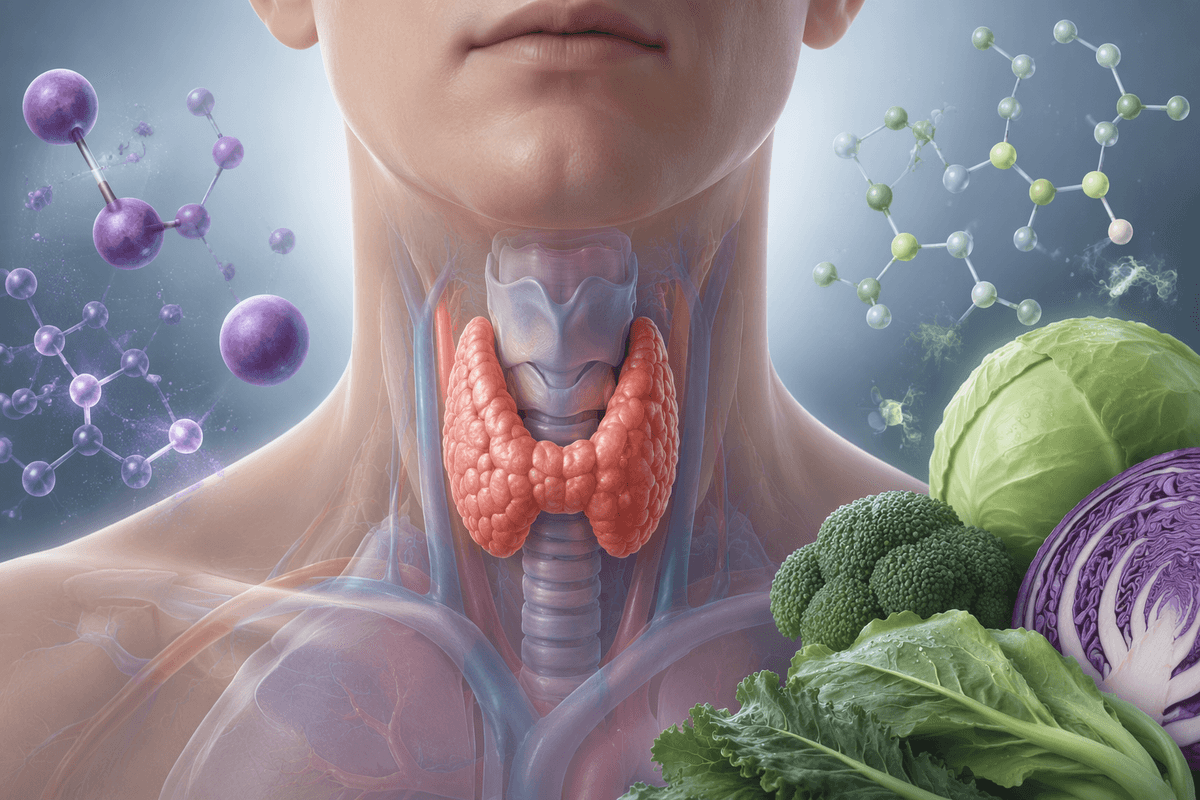
It can be a quiet surprise: you start taking your thyroid pill in the morning like usual, but on the weeks you’ve been eating more cabbage—big slaws, leftover stir-fry, a forkful of sauerkraut—your energy or appetite rhythms feel a little less consistent. Nothing is dramatic, just enough to make you wonder what changed.
Part of the confusion is that cabbage sits at the intersection of food and chemistry. Cruciferous vegetables contain compounds that, in very large and steady amounts (especially raw), can nudge how the thyroid handles iodine, which matters more if iodine intake is low to begin with. Meanwhile, high-fiber meals can also change how quickly medications move through the gut, and some meds (thyroid hormone in particular) are sensitive to timing—taken close to a bulky, fibrous breakfast, absorption may be less predictable.
This isn’t a reason to fear cabbage so much as a reason to notice patterns. If symptoms or lab trends shift after a consistent change in cabbage habits, it may be the combination—portion size, raw vs cooked, and how close it lands to meds—rather than cabbage being “good” or “bad” on its own.
What “regularly” means: patterns that shape outcomes
It’s usually the third or fourth day that feels different. The first cabbage-heavy meal just feels “healthy,” but by midweek you may notice your usual hunger cues shifting—along with a new rhythm of gurgling, gas, or a bowel movement that arrives earlier than expected.
“Regularly” doesn’t always mean “a lot.” A small daily portion can give your gut a repeated, predictable fiber signal, which may support steadier fullness and more consistent stool texture over time. A larger raw bowl every few days can do the opposite: it hits like a sudden fermentable load, feeding microbes fast and building more gas than your system is ready to manage that day.
Preparation can become the hidden pattern-maker. Cooked cabbage often behaves like the quieter baseline, while raw slaws and big servings of kimchi or sauerkraut can feel louder—especially when stacked with other fermentable foods. When the same form and portion show up most days, your “mixed results” start looking less random and more like a response curve.







![6 Best ButterflyMX Alternatives [Video Intercom Systems]](static/image/2026/07/14/dde0dbcd-f7bc-446a-96b8-3fe8a10457ef.png)