You hit your number, then the doubts start
The spreadsheet finally lands on the “enough” line, and nothing in your day changes. Monday still shows up, the same meetings still fill the calendar, and the only difference is a new private thought: you could leave. That’s when the unease tends to surface. The number feels clean, but the decision doesn’t. A market dip, a surprise expense, or a vague sense that you’re missing a variable can turn “financially independent” into “financially exposed” in a single week.
Most people don’t doubt the math first; they doubt the timing. Quitting is irreversible in a way rebalancing isn’t, and the cost of being wrong is lopsided: a forced return later can be lower pay, worse terms, and a resume gap you didn’t plan to defend. So the real question shifts from “Did I hit my number?” to “What breaks if I’m early by 12 months?”
The first surprise: freedom costs more than expected
The first weeks after you decide “I can leave” often look cheap on paper. No commute, fewer lunches out, no wardrobe churn. Then the spending finds its new shape. More time at home means higher utilities. Midday errands turn into impulse stops. Travel stops being a once-a-year line item and becomes a default way to fill open weeks. Even “free” time gets monetized—classes, gear, short-term rentals, memberships—because the calendar suddenly needs events.
The bigger surprise is that your baseline costs can rise while your cash-flow becomes less efficient. Employer-subsidized benefits vanish, but so do the small frictions that kept spending contained. Your tax picture changes too: pulling from taxable accounts can trigger capital gains; converting pre-tax balances for future Roth flexibility can add ordinary income; and higher reported income can spill into higher premiums or less favorable credits later. None of this is catastrophic, but it’s rarely in the first pass of the spreadsheet.
A useful test is to build a “freedom budget” that assumes higher discretionary spend and adds a benefits/tax buffer, then see if your plan still works under a boring year with no big splurges—just the new normal. If it doesn’t, the number wasn’t wrong; the lifestyle assumption was.
Healthcare stops being a footnote, fast
It usually takes one benefits enrollment email to turn healthcare from a line item into the line item. The employer plan you barely thought about had three hidden features: a subsidy, predictable payroll deductions, and a ceiling on “how bad it can get” in a normal year. Once you’re pricing coverage on your own, the trade-offs get real fast—premium versus deductible, network breadth versus cost, and the quiet risk that your preferred doctors aren’t in-network when you actually need them. The timing constraint is unforgiving too: miss a special enrollment window and you’re not “being frugal,” you’re uninsured.
Then it starts interacting with the rest of the plan. Your reported income can steer eligibility for premium tax credits, which means a Roth conversion or an opportunistic capital-gains harvest isn’t just a tax decision anymore—it can raise next year’s premiums. The practical move is to model healthcare as a cash-flow system: premiums every month, a realistic expected spend, and a true worst-case (out-of-pocket max) that you can fund without selling at the wrong time. If that worst-case breaks the plan, quitting isn’t the lever to pull yet.
Sequence risk turns math into lived experience

The first time the market drops after you quit, it doesn’t feel like a temporary drawdown anymore. It feels like rent. The same -12% year that looked tolerable in an accumulation model now lands next to real withdrawals, premiums, and taxes you can’t defer. You’re selling shares into the decline to fund ordinary life, and that creates a permanent difference: fewer shares left to rebound when the rebound finally shows up.
This is sequence risk in practice—returns don’t just average out; they arrive in an order that either protects your base or erodes it early. The constraint is timing, not intelligence. If a bad stretch hits in the first 24–36 months, the “4% rule” can behave like a lever pulling harder than planned, especially if you’re also doing Roth conversions or realizing gains for cash-flow. A cleaner readiness test is to run a down-market start: assume year one is ugly, withdrawals still happen, and see whether you have a shock absorber (cash buffer, flexible spending, or a small income stream) that lets you stop selling at the bottom without turning the plan into a panic decision.
When work disappears, structure becomes your job
The next surprise is quieter: the day stops pushing back. In the first month, it feels like a reward—late mornings, no inbox triage, no forced priorities. By month three, the lack of external structure starts showing up as drift. Chores expand to fill the week, workouts slide, and “we should travel” turns into expensive, last-minute plans because the calendar is empty and it suddenly feels urgent to use the freedom. The constraint isn’t motivation; it’s that unstructured time is hard to budget, and friction used to do some of that work for you.
It helps to treat structure like an operating expense you have to fund and maintain. A simple readiness check is to design a “retired week” with fixed anchors (volunteering shifts, a class with tuition, recurring social commitments) and run it for 8–12 weeks before resigning. If it feels artificial, that’s useful data. If it stabilizes spending, sleep, and mood, it’s also a risk control—because the cheaper version of early retirement is the one where boredom doesn’t become a purchase order.
The expensive part: returning to work later
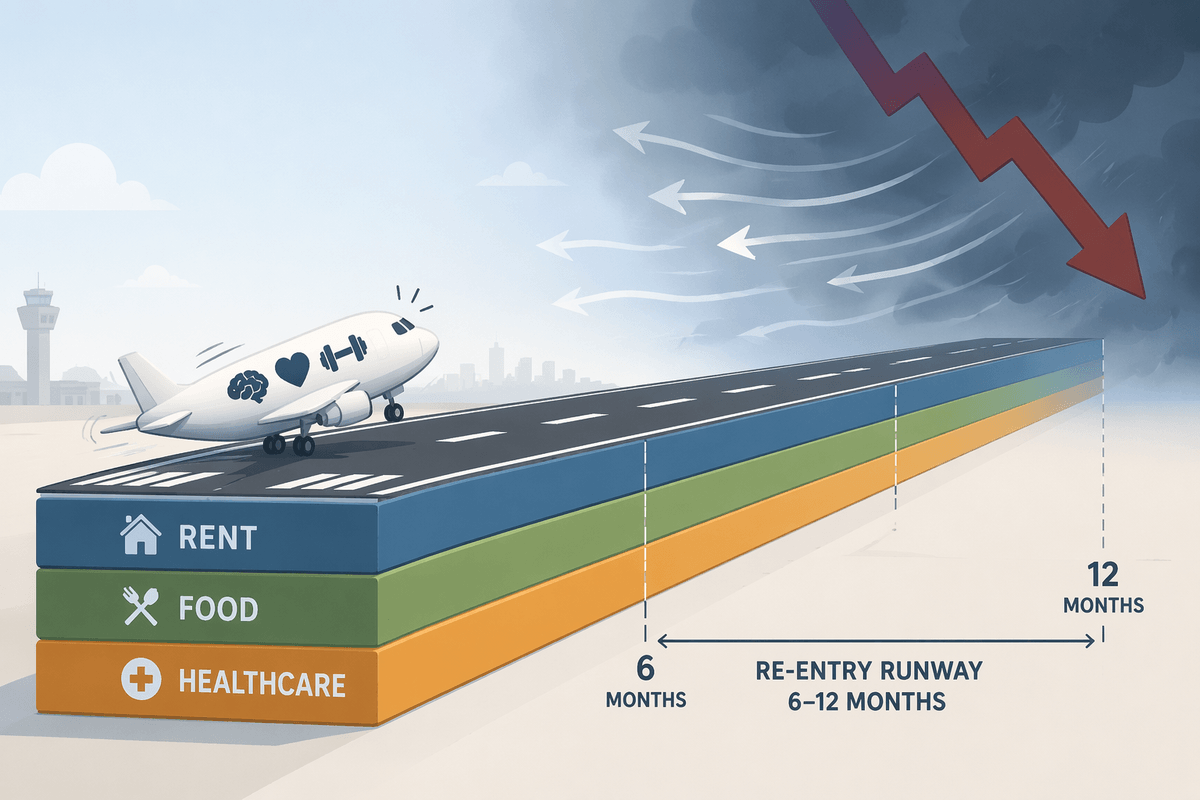
After a few months off, the “I can always go back” plan is where the budget gets fragile. The market might be down, the cash buffer thinner than expected, and now the timeline is working against you: hiring cycles are slow, and offers rarely arrive on the week your withdrawal plan starts to feel tight. Even a short gap can force a bad trade—sell into a drawdown to cover premiums and expenses while you wait for interviews to convert.
The hidden cost is terms. Coming back often means a lower title, less leverage on pay, and benefits that don’t start immediately. If you were using ACA credits, a new salary can also spike your year’s income midstream and claw back subsidies at tax time. A clean test is to price a “re-entry runway”: 6–12 months of expenses plus healthcare, and assume your first role back is imperfect. If that runway feels heavy, quitting may be, too.
A safer exit: keep options while you test
So the lower-drama path is to treat “quit” as a last step, not the first. Before you cut the cord, try building an exit that leaves your professional options warm: negotiate a part-time or seasonal arrangement, take a defined sabbatical with a return date, or line up contract work that can be turned on in a drawdown. The constraint is pride as much as money—asking for flexibility can feel like admitting the plan isn’t real—but it often buys the exact protection sequence risk punishes.
Then run a timed trial with rules: pay your “freedom budget” from a separate account, cap discretionary spend, and pre-decide what triggers a change (a 15% portfolio drop, premiums rising, cash dipping below six months). If the plan holds under those tripwires, the resignation stops feeling like a cliff and starts looking like a handoff.





![Learn to Invest by Yourself [Beat the Market With Investing Basics]](static/image/2026/07/14/0c228cd1-fbac-42e5-9480-a2074601a70d.png)