Italy’s best outdoors depends on you
The moment you zoom from Lake Garda to the Dolomites to Sardinia, the map makes Italy feel bite-sized—until you notice the drive times and the last bus back. We hesitated over a screenshot with three pins and one thin blue line, realizing a “quick detour” was really a half-day in the car. Even in shoulder season, that kind of optimism gets expensive fast at €200–€300/day when you’re also paying for parking, tolls, and the occasional weather-cancelled plan.
For a 9–10 day trip, the outdoors question isn’t “where is best,” it’s “what kind of best do you actually use.” Big hikes and via ferrata reward staying put: an early start beats crowds, and a fixed base makes it easier to wait out a storm cycle rather than forcing a transfer day in rain. Lakes and swims feel spontaneous, but they’re timing-sensitive too—wind can rough up the water, and popular shore access compresses into a few busy hours. If you’re comfortable moving slower, a single hub can feel richer than two rushed regions.
Car or no car is the quiet divider. A car buys sunrise trailheads and ferrata flexibility, but it also adds fatigue, costs, and route inefficiency when you’re bouncing valleys. Public transit works best for couples who prioritize one well-connected base and don’t mind planning around timetables; it’s less forgiving if your “loose itinerary” depends on last-minute pivots.
Alpine hikers: Dolomites and Gran Paradiso
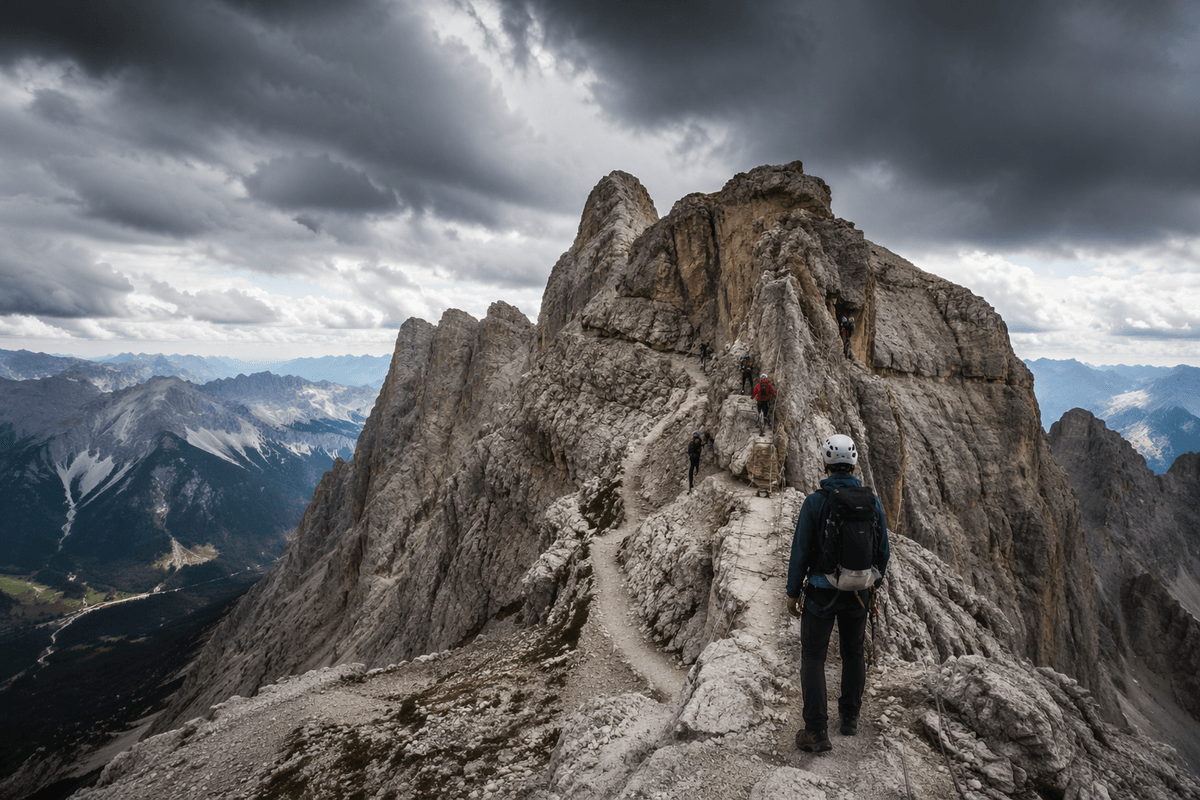
At 6:55 a.m. in Ortisei, we watched a line form for the first lift—helmets clipped to packs, coffee still in hand—and did the math on what “early” really means here. The Dolomites feel like a theme park for hikers in the best way, but that also means your timing is either your advantage or your constraint. If you’re used to NYC crowds, it’s manageable; if you want solitude, the first hour decides the whole day.
For a 9–10 day trip, the Dolomites reward a single valley base (Val Gardena, Alta Badia, or around Cortina) more than a pinball itinerary across passes. The trade-off is cost and booking friction: rifugi and well-known via ferrata routes compress demand into a short season, and “we’ll decide tomorrow” works less often than you’d think. Afternoon storms are the other limiter—big ridge walks and ferratas ask for an earlier start than lakeside strolling, even in good forecast windows.
Gran Paradiso is the counterweight: less cinematic rock drama than the Dolomites, but more breathing room and a wilder feel, especially if you’re happy with long trails over lift-assisted loops. It works best for couples who want a slower hub, don’t mind fewer iconic postcard viewpoints, and can live with a car being more useful than essential—buses exist, but they don’t always match “loose itinerary” energy. If your goal is one hard hike day, one swim day, one ferrata day on repeat, the Dolomites are easier; if you’d rather trade convenience for quiet, Gran Paradiso is the better bet.
Climbers: Arco, Finale Ligure, ferratas
We stood under the limestone walls in Arco with damp hair from a quick dip in the north end of Lake Garda, staring at a topo that looked simpler than our legs felt. The approach was five minutes—easy—until we remembered it was already 11:30 and the sun had turned the rock into a radiator. It was the first time on this trip the “climbing day” choice felt like a timing problem, not a fitness one.
Arco is the pragmatic climber hub: dense crags, short approaches, and enough cafés and gear shops that you can fix a forgotten belay device without burning a day. Compared with the Dolomites, you trade grand ridge drama for repetition and efficiency—great if you want to climb or clip a via ferrata in the morning and still swim or bike in the afternoon. The limiter is crowd flow and heat: popular sectors stack up on weekends, and summer afternoons can feel like you’re waiting your turn on routes that looked empty in photos.
Finale Ligure flips the equation. The rock and setting are gorgeous, but the logistics can be fussier for a “loose itinerary”: sectors are spread out, signage can be inconsistent, and without a car you’re negotiating taxis or long bike/transit mashups that quietly eat climbing hours. Via ferrata also isn’t as plug-and-play here as in the big alpine centers—fewer headline routes, more dependence on conditions and local beta. If you’re debating one rental-car stretch, this is where it pays off; if you’d rather avoid driving, Arco keeps your days cleaner.
Water lovers: Sardinia, Noce, Aeolian
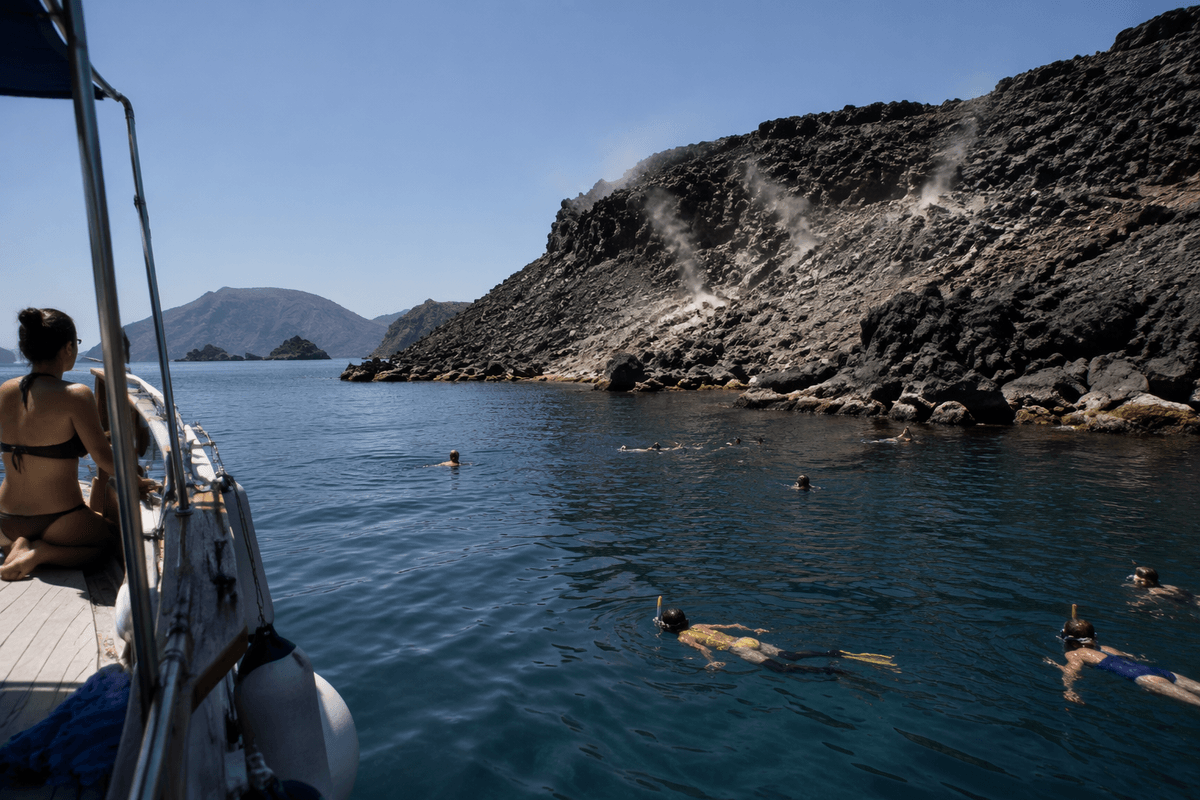
At 7:10 a.m. in Olbia, we paused at the rental-car counter with salt still on our skin and a forecast app open like it was a boarding pass. The plan was “just find a beach,” but the distances on Sardinia don’t behave like mainland distances, and a north-coast swim can quietly turn into a two-hour relocation. Standing there, it was obvious that water days aren’t automatically easy days—they’re just easier to underestimate.
Sardinia is the cleanest swim-and-hike combo if you’re willing to commit to a base and accept driving as the price of freedom. Compared with Lake Garda, the water feels wilder and less choreographed, but the trade-off is access: the best coves and trailheads often reward a car, early starts, and a tolerance for parking stress in peak season. It works brilliantly for a couple who wants long coastal walks plus beach resets; it’s less forgiving if you’re trying to “wing it” without wheels.
The Noce River (Trentino) is the opposite kind of water hub: high-energy, scheduled, and surprisingly time-boxed. Rafting is safer and more fun when you book with reputable operators and don’t fight afternoon heat and crowds, but that means your “loose itinerary” suddenly has a fixed start time. The Aeolian Islands add the final twist—volcanic swims and boat days feel effortless once you’re there, yet the getting-there day can eat a chunk of a 9–10 day trip, especially if wind or ferries don’t cooperate.
Winter seekers: Aosta Valley to Cortina
At 8:20 a.m. in Aosta, we hovered at the café door with ski socks half on, watching a wet snow line creep down the opposite slope. The bus schedule to Pila looked fine on paper, but the margin was thin: miss it and your “quick morning laps” turn into a lunch-time start. Winter days in the Alps don’t just run colder—they run tighter, and that changes what “loose itinerary” can realistically absorb.
Aosta Valley is the winter hub that behaves best on a mid-range budget, mostly because you can make it work without a car if you choose your base carefully. Compared with the Dolomites’ marquee villages, you trade some cinematic limestone drama for a more compact, functional valley: Courmayeur for big-mountain feel, Aosta town for transit practicality, and smaller spots like Cogne if you’re prioritizing quiet over night life. The “one base, many micro-objectives” can still mean different lift systems and buses, so back-to-back days reward planning more than spontaneity—especially if weather pushes you to chase elevation for decent snow.
Cortina (and the broader Dolomiti Superski orbit) is the opposite deal: the infrastructure is massive, the scenery is absurd, and the crowds are real. If you’re winter seekers who still care about hiking and via ferrata energy, this area works best late winter into early spring when snowpack stabilizes and sunny days open up valley walks—yet that’s also when prices and bookings harden. A car helps with hopscotching passes, but it can feel like paying for stress if roads are icy or parking is full by mid-morning. If you want the most reliable “showpiece” winter base, Cortina earns it; if you want fewer moving parts, Aosta is the calmer bet.
How to choose your perfect base
At 9:47 p.m., we had two browser tabs open—one with a “refundable” hotel in Cortina, one with a cheaper place in Arco—and the same annoying pop-up: minimum two-night stay. We hesitated because the price difference looked like dinner money, until you remember what a late check-in after a transfer day does to your next morning’s start. That’s when “perfect base” stopped being poetic and became a logistics problem.
For 9–10 days, pick one anchor hub where you can repeat a rhythm (early hike or ferrata, slow lunch, swim/bike reset), then add a second hub only if it buys you a genuinely different day type. Dolomites plus Lake Garda/Arco is a clean combo: you trade some transit for variety without adding a flight or a ferry. Sardinia or the Aeolians can be incredible, but they’re better as the main commitment—not the “bonus”—because weather, ferries, and driving distances have a way of stealing a full day.
Car decisions are easiest when you admit what you’ll actually do at 7 a.m. If you want flexible trailheads, quieter starts, and ferrata pivots, rent it for the portion that needs it (often 3–5 days), then hand it back before city-like parking stress sets in. If you’d rather stay car-free, choose a base with lifts/buses that match your timing tolerance, and accept that “last-minute” sometimes means “tomorrow.” Your best plan is the one that leaves you one spare day for weather, not one spare pin on the map.








![6 Best ButterflyMX Alternatives [Video Intercom Systems]](static/image/2026/07/14/dde0dbcd-f7bc-446a-96b8-3fe8a10457ef.png)