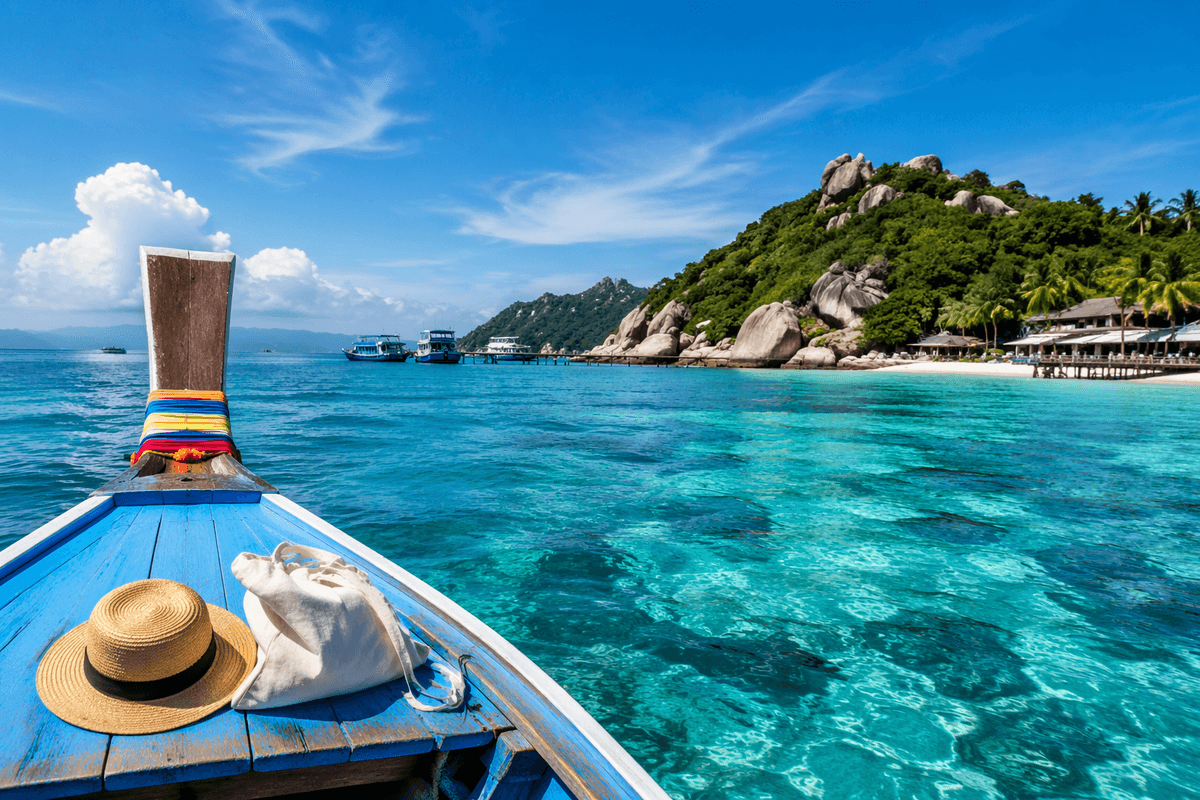
The real choice isn’t islands, it’s the day you want
At 8:12 a.m., I was staring at a pier map near Nathon with sunscreen on one hand and a phone in the other, trying to make “Phangan / Tao / Ang Thong” behave like interchangeable bubbles. The timetable didn’t agree. A 9:00 departure that looked neat on a brochure suddenly meant a tight taxi ride, a fixed check-in window, and the quiet fear of spending your best sea morning in a queue.
The real decision from Koh Samui isn’t “which island is prettiest,” it’s what kind of day you’re willing to have. If you want clear water and you’ll tolerate an early start plus a longer boat leg, your day can be snorkeling-first (and you’ll be annoyed by anything that turns into a beach-with-haze). If you want relaxed beaches with minimal transit, you’re choosing a shorter hop and accepting that “nice water” may be more weather-dependent, especially when the sea kicks up and speedboats turn into a bumpy negotiation.
For a couple planning as you go, the trade-off is flexibility versus friction: the best-looking days often require committing to a departure time and paying for it even if you slept badly. Day trips reward people who like structure; overnights reward people who hate missed connections. Before you pick an island, pick your tolerance for early alarms, wet rides, and the possibility that the “easy” return boat is full.
Fast, easy beach escapes from Samui
At 9:37 a.m., the ticket counter at Bangrak was already doing that gentle chaos thing: a handwritten “FULL” on one operator’s board, a couple bargaining for “any boat,” and me trying to decide whether buying the 11:00 now was smarter than waiting for the sea to “look calmer.” The annoying part is how quickly “easy day trip” becomes “locked schedule.” Compared with a private longtail, the ferry is cheaper and steadier, but it’s also less forgiving.
If your priority is a clean beach afternoon with minimal transit, Koh Phangan is the straightforward call—close enough that you’re not donating half the day to open water, but still an island shift in vibe. It works best for couples who want one good beach, lunch, and an unhurried swim, not a checklist of coves. The “quick” arrival is often followed by a slower, sweaty taxi songthaew to the beach you actually want, and late-afternoon return boats can fill when the weather makes everyone think the same thought.
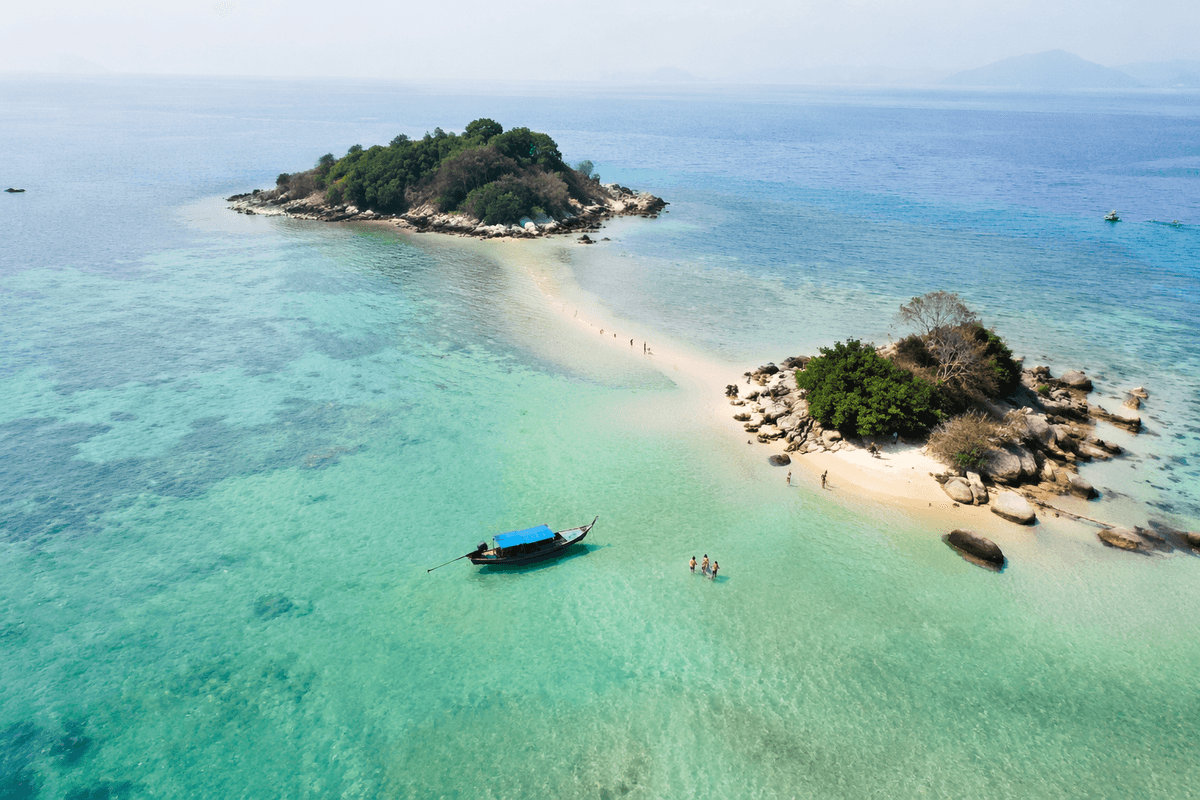
For an even lighter lift, the tiny southern islets (often sold as Koh Tan / Koh Madsum-style half-days) are the low-commitment option: shorter boat legs, easier to bail out if the water turns choppy, and less emotional damage if you lose a morning. They’re better for a relaxed float and photo-friendly sand than for dramatic clarity—on hazier days, the water can look “fine” rather than wow. If you hate logistical surprises, pick one operator, ask the exact last-return time, and treat that time like a flight.
Snorkeling-first island days and reefs
At 6:05 a.m., I zoomed in on Koh Tao on Google Maps and did the lazy math: “It’s not that far.” Then the pier reality hit—check-in wants you early, the boat wants you seated, and suddenly the day is built around a single departure. Compared with Phangan, Tao is less forgiving if you miss the window, but the payoff is that the water can look like it’s been edited.
If snorkeling is the whole point, Koh Tao is the cleanest bet from Samui, especially around spots like Ao Leuk or Tanote Bay when conditions cooperate. The best visibility often feels tied to the earlier part of the day, and a later start can mean more boats in the same bays and a slightly churned surface. As a day trip, it suits couples who can tolerate a longer ride and a fixed return; as an overnight, it suits anyone who hates watching the clock while they’re finally in clear water.
Koh Nang Yuan (the postcard sandbar just off Tao) is the classic add-on, but it’s a trade-off between “wow” and crowd flow—go early and it’s sharp and calm, hit it mid-day and it can feel like a funnel. I’d treat Ang Thong as the opposite category: gorgeous scenery, weaker snorkeling consistency, and more time spent moving between stops. If you wake up and the sea looks pushy, that’s the day to downgrade to nearer water and keep Tao for a calmer forecast.
Crowd-free, slower island vibes
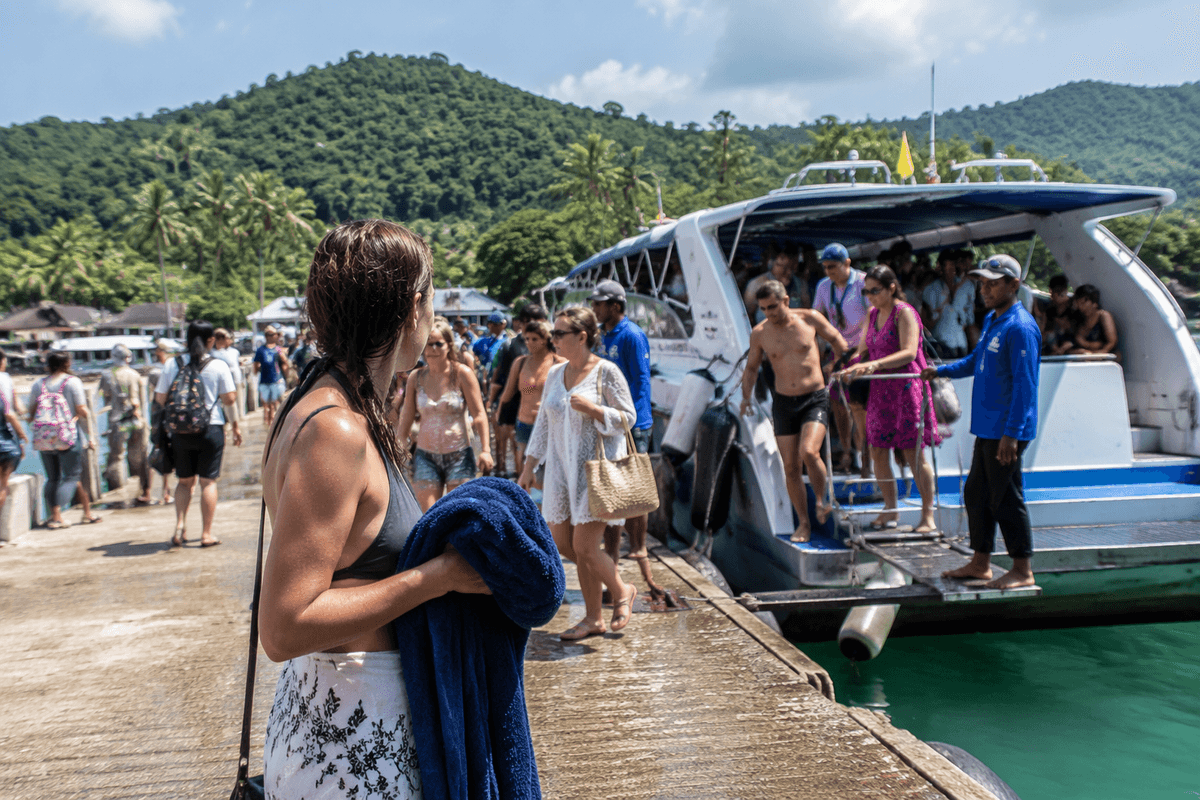
At 2:18 p.m. on Samui, I paused with a wet towel in my hands and watched another speedboat unload a bright, efficient crowd. It wasn’t loud exactly—just constant, like a moving sidewalk of day-trippers. The hesitation was simple: do you chase the “best” water again, or do you protect the rest of the afternoon from schedules?
For a slower island day, Koh Phangan can actually behave like the quiet option—if you treat it less like a highlights reel and more like one beach plus one meal. The comparison is timing: arrive before late morning and you can get a calm swim and a table without hovering; arrive after lunch and you’re competing with the same return-boat anxiety you were trying to avoid. It works for couples who want room to breathe and don’t mind paying for a taxi ride to a single bay; it doesn’t work for anyone who gets itchy staying put.
The tiny southern islets are the other “slow” move, but in a different way: shorter crossings, less commitment, and a lower penalty if the sea turns bumpy. The trade-off is texture—think easy floating and a photo stop rather than the crisp, aquarium clarity you chased on Tao. If you’re planning as you go and hate surprises, this is the day you ask one question before paying: what’s the last definite pick-up time, and what happens if it sells out?
Logistics that make or break your hop
At 10:46 a.m., I watched a couple at the pier argue softly over two identical-looking tickets—same island, different operator, different pier—and neither of them said the part that mattered: “Which one gets us back before dark without sprinting?” The clerk kept repeating a check-in time like it was a boarding call, and the wind had started doing that sideways thing that makes speedboats feel less “quick” and more “commitment.” It was a tiny moment, but it’s where good island days quietly die.
The make-or-break detail from Samui is usually pier + schedule, not distance. A “short hop” that leaves from the wrong side of the island can still cost you an hour in a taxi, and that’s before you’re asked to arrive 30–45 minutes early and sit through loading. Ferries are steadier and kinder on choppy days, but they’re rigid; speedboats buy you time and sell you comfort risk. If you’re the couple who hates surprises, pick the ride that gives you slack, not the one that looks fastest on paper.
Day trips are where booking friction shows up: late-afternoon return seats can fill when weather narrows options, and the last boat isn’t a suggestion—it’s your whole evening. You add a hotel check-in, but you stop living inside a single return time and can chase clearer water earlier the next morning. If the sea looks rough, protect the day by going nearer (Phangan or the small southern islets) and save Tao for a calmer forecast; trying to “push through” often just turns into a long, wet commute.
What I’d choose with one to three days
At 7:18 p.m., we were on the balcony refreshing a forecast that kept flipping from “light chop” to “small craft advisory vibes,” with two damp swimsuits hanging over the chair like a warning. I had three tabs open—Tao, Phangan, Ang Thong—and the same annoyance on each: the day wouldn’t start when we wanted it to. With only a few days left in Samui, the real pressure wasn’t choosing the best island; it was choosing the least fragile plan.
If you have one day, I’d make it a low-commitment win: Phangan for one beach you actually want (arrive earlier than the crowd, leave before the late-afternoon squeeze), or the small southern islets if the sea looks pushy and you want a shorter crossing. You’ll trade “edited” water for less transit and fewer ways to miss a return. It works for couples who hate clock-watching; it disappoints anyone chasing peak clarity.
With two days, I’d stop forcing Tao into a day trip and do one overnight on Koh Tao—not because it’s “far,” but because it’s schedule-heavy. You buy yourself a calmer morning snorkel window and remove the single-point failure of a packed last boat. With three days, I’d stack it: Tao overnight for water, then a softer Phangan half-day on the way back if energy holds. If the forecast looks mediocre, I’d downgrade early rather than “tough it out” and spend the best light on a wet commute.