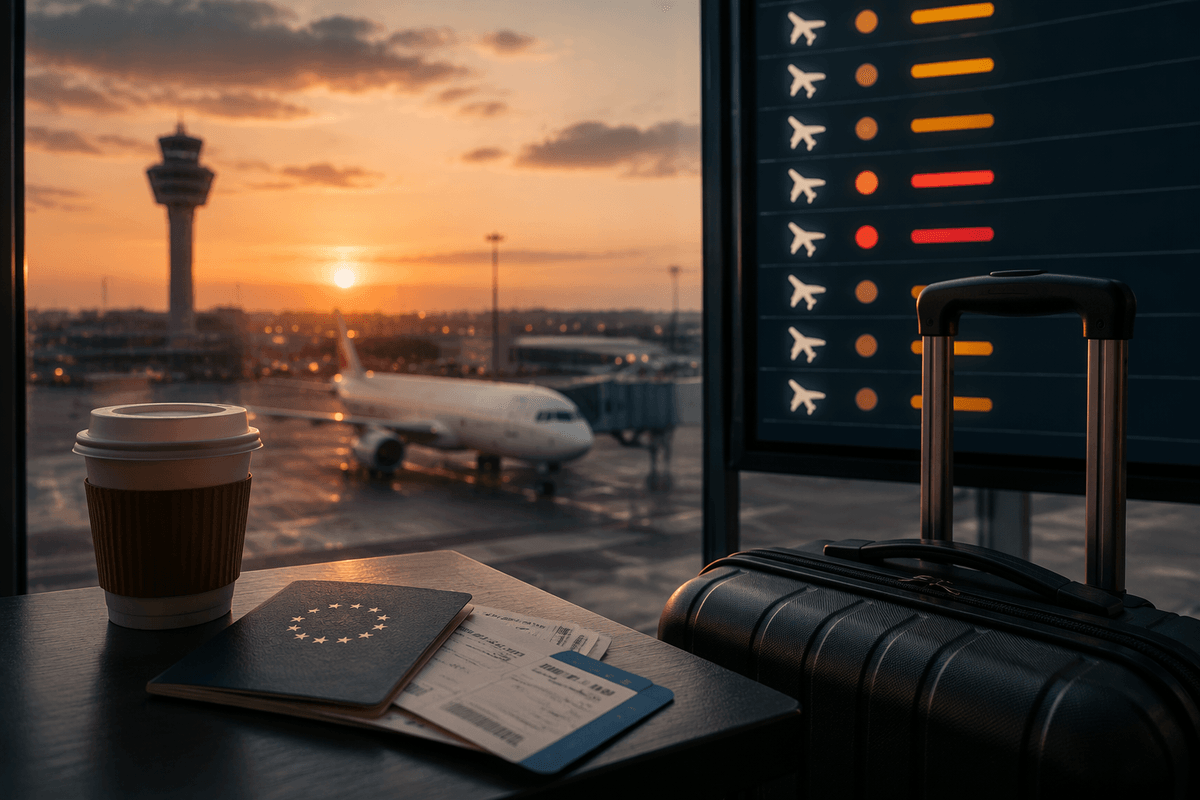
Antarctica isn’t a stopover—it’s a commitment
I hovered over the “Confirm” button with a 48-hour cancellation window staring back at me, and the deposit was already bigger than some whole vacations. The sailing date looked neat on the screen, but the fine print felt like weather: changeable, slightly out of my control. Even choosing a cabin wasn’t just “nice to have”—it was a bet on how your body handles motion.
Antarctica doesn’t really tolerate casual planning in the way Iceland or Alaska can. You’re buying into a chain of constraints: limited flight options to the embarkation port, tight boarding times, and a crossing that can be smooth or punishing depending on the week. If seasickness is your hesitation, the trade-off is clear—pay more for stabilizers, a midship cabin, or a route that reduces open-ocean exposure, or pay less and accept you might spend day one bonding with your bunk instead of your camera.
Then there’s the onshore math. Landing rules and wildlife protection protocols keep things safe and sane, but they also cap how many people can be on land at once, which turns ship size into a real quality lever. Bigger ships can be cheaper per person and feel easier on the budget; smaller expedition ships often buy you more time off the deck and fewer bottlenecks at the gangway. If you can spare 10–12 days, the question becomes simple: are you here to “see Antarctica,” or to actually be in it?
Wildlife encounters you can’t stage
On my first zodiac ride, I hesitated with one boot on the rubber tube and the other still on the ship’s platform, trying to keep my balance while the driver timed the swell like a metronome. A gentoo penguin porpoised beside us—close enough to hear the exhale—then vanished under slate water as quickly as it appeared. It felt nothing like a zoo moment, more like being briefly tolerated in someone else’s commute.
That’s the thing: the best wildlife “encounters” here aren’t scheduled, and that’s both the thrill and the limitation. You might get a humpback surfacing in the channel during a transit, while the landing you were counting on gets called for katabatic wind. Compared with safari logistics—where you can stay out longer if the light is good—Antarctica is stricter: approach distances, boot-cleaning, and time caps keep the place intact, but they also mean you can’t linger just because the seal finally looked up.
Ship size changes how those surprises land. On a small expedition ship, fewer people funneling through the gangway can mean you’re on the water earlier, when whales are feeding and the sea is calmer; on a big ship, you may watch the same scene from the rail while waiting your turn. If your priority is wildlife over amenities, pay for time and access—then hold your expectations loosely enough to let the day rewrite itself.
Landscapes that reset your scale
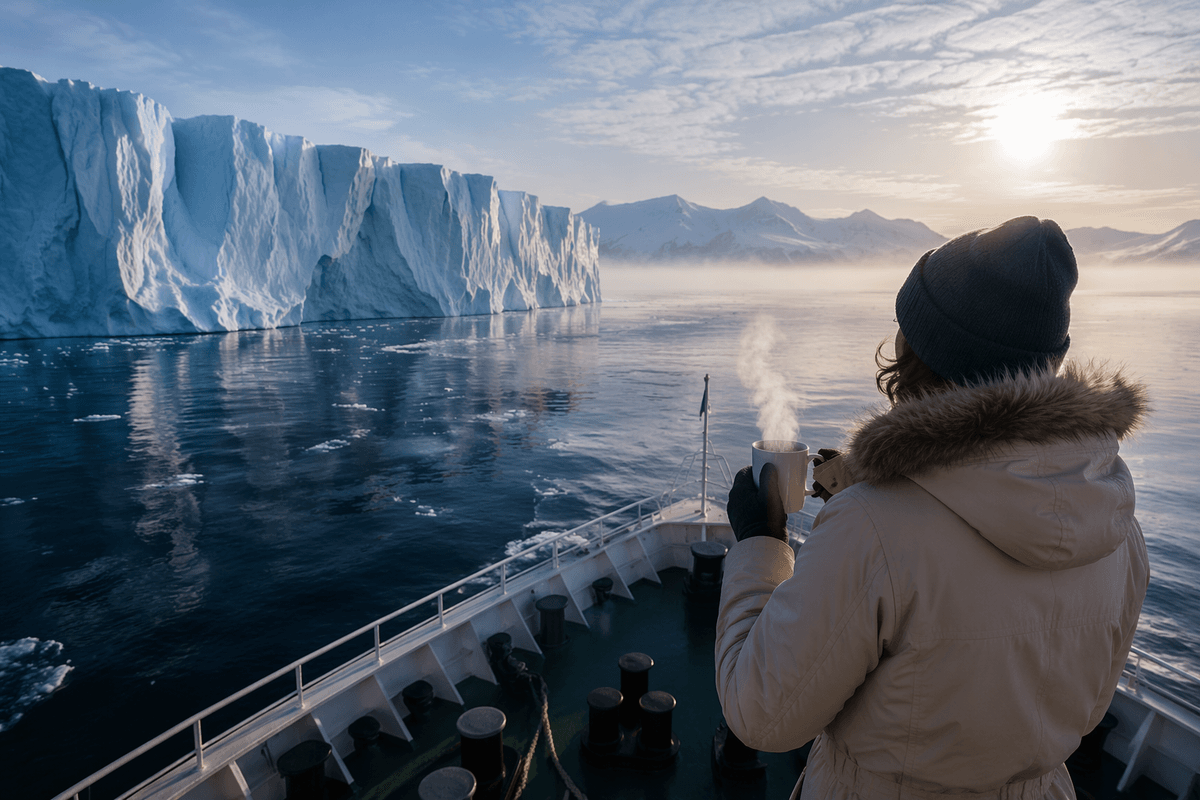
The first time the continent looked “close,” it still took an hour to reach it. I was at the bow at 6:15 a.m., coffee cooling in the wind, watching a blue-white ridge slide past like a slow-moving wall. On the map it’s a clean channel; in real life it’s a maze of bergs, and your eye keeps misjudging distance until something the size of an office building rolls and you realize it’s only a fragment.
Antarctica’s scenery doesn’t feel like a prettier version of Alaska or Norway—it feels like the volume knob got turned up past familiar settings. A glacier face calves and the sound arrives late, deeper than you expect, like thunder traveling through a cathedral. The most jaw-dropping light tends to show up early or late, but those are also the hours when cold creeps into your fingers fastest and fatigue makes the zodiac ride feel longer than the itinerary promised.
This is where expedition style stops being a brochure detail. Smaller ships can thread tighter bays and pivot when a landing is scrapped for wind, so you still get those close-in ice passages instead of a wide, distant view from the lounge. Bigger ships can be steadier and cheaper, but you may spend more of your “scenery” time watching from a deck rail while the day’s plan queues up. If your budget can stretch, pay for access—then decide in advance that a perfect photo is optional, but being there isn’t.
The expedition style that fits you
At 7:40 a.m. I stood in the mudroom with one glove half-on, watching a line form for the zodiac platform while the expedition leader kept glancing at the wind meter. The ship felt calm inside—carpet, warm air, coffee—but outside the bay was twitchy, and the timing window was clearly narrow. It was the first moment I understood that “expedition” isn’t a vibe; it’s a constant decision about what you can safely do today.
If your priority is landings and wildlife at eye level, smaller ships tend to trade lounge space for agility: fewer people to cycle through, quicker pivots when a landing gets scratched, and more chances to take the “Plan B” cruise through ice instead of killing half a day in a holding pattern. The smaller can feel livelier in the Drake—and cabins sell out earlier, which matters if you plan 6–12 months ahead and want midship stability instead of “whatever’s left.”
Bigger ships can feel like a safer bet if seasickness is your red flag: more mass, often more amenities, and sometimes a lower price that leaves room for flights and better gear. The trade-off is queue time and shared shore slots; you may spend your best light waiting to be called, then rush the landing because the next group needs the beach. For a 10–12 day window, I’d pick the style that buys you time off the deck—then accept that weather still gets the final vote.
What it really costs and why
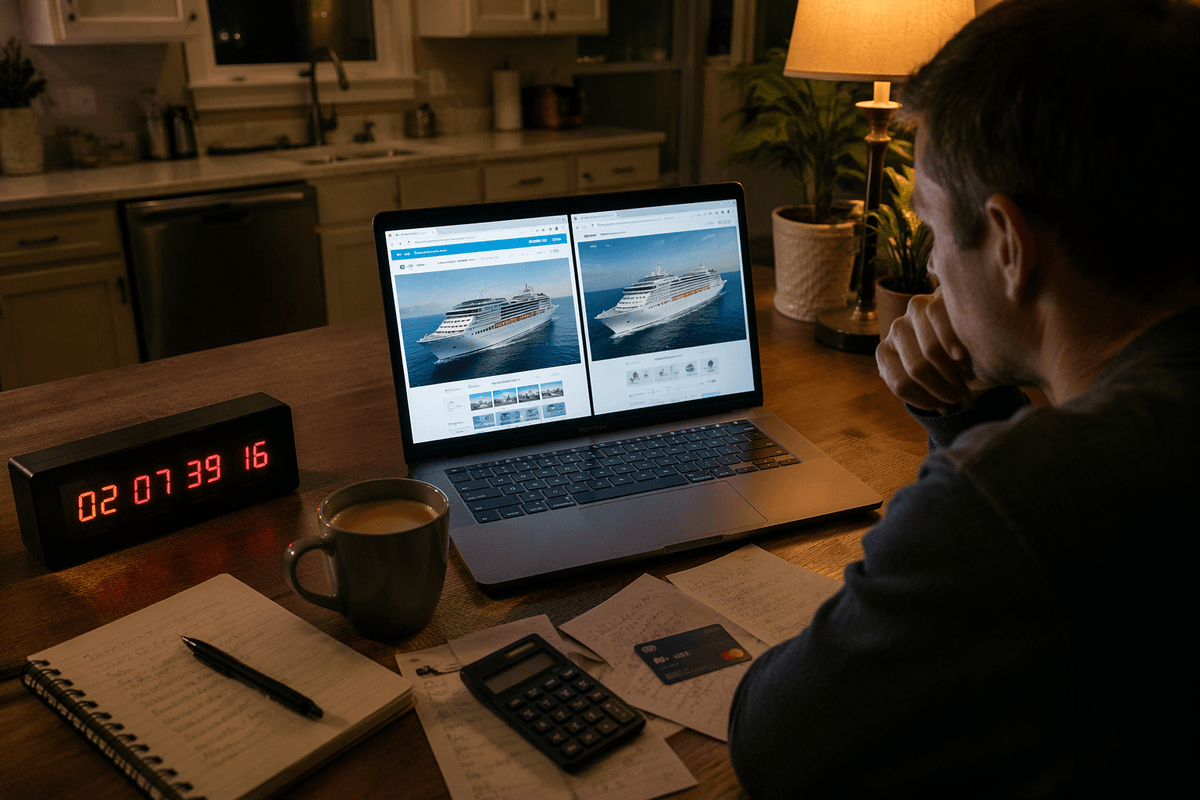
I remember doing the math at my kitchen table with two browser tabs open—one “deal” on a big ship and one small expedition sailing—while a $1,200-per-person deposit timer ticked down. The cheaper fare looked like a win until I noticed what wasn’t in it: flights to Ushuaia, tips, a parka “rental,” even basic Wi‑Fi. It felt less like buying a vacation and more like buying access to a moving, weather-dependent machine.
In the $10–18k pp range, the price isn’t just the cabin; it’s the logistics and the constraints you’re paying to soften. Small ships cost more because they can actually use the landing rules in your favor—fewer people cycling through zodiacs means less waiting and more time ashore when the window is good. Big ships can undercut the sticker price, but the trade-off is often measured in minutes: more crowd flow at the gangway, more “your group is next” radio calls, and sometimes a feeling that the continent is happening slightly out of reach.
What surprised me is how the “worth it” line moves depending on what you’ll notice. If you care most about wildlife and being on land, I’d rather cut a balcony and pay for a midship cabin, better stabilizers, or an itinerary with more protected channels. If you’re already nervous about seasickness or want the comfort buffer, a larger ship can make the Drake feel more tolerable—just decide up front whether you’re buying scenery from the rail, or time in it.
My ideal first Antarctica itinerary
On the second afternoon at sea, I was wedged midship with a green apple and a paper cup of ginger tea, watching the horizon tilt just enough to make reading impossible. Dinner seating was in two hours, and I had to decide: push through the Drake Passage as-is, or mentally “spend” extra money next time on the route that skips it. That small, queasy hesitation is why my ideal first trip isn’t the cheapest—it’s the one with the best odds of usable days.
For a first-timer couple with 10–12 days, I’d aim for an 11-day small-ship expedition (roughly 100–200 guests) to the Antarctic Peninsula, timed for mid-to-late season (late January into February) when whale activity often feels more reliable and the light is still generous. The trade-off is you’re paying for access: more chances at two landings a day when weather cooperates, and fewer bottlenecks at the gangway when the “go now” window opens. If seasickness is your dealbreaker, a fly-cruise can be worth the premium; if it’s manageable, a midship cabin and good meds usually buy you enough stability to enjoy the crossing.
Onboard, I’d prioritize an expedition team with a strong zodiac program, capped landings, and flexible routing over a long list of amenities. Skip the balcony, keep the budget for ship size, and treat every landing as optional and every ice cruise as a win. If that mindset sounds like relief rather than compromise, you’re probably ready to book.