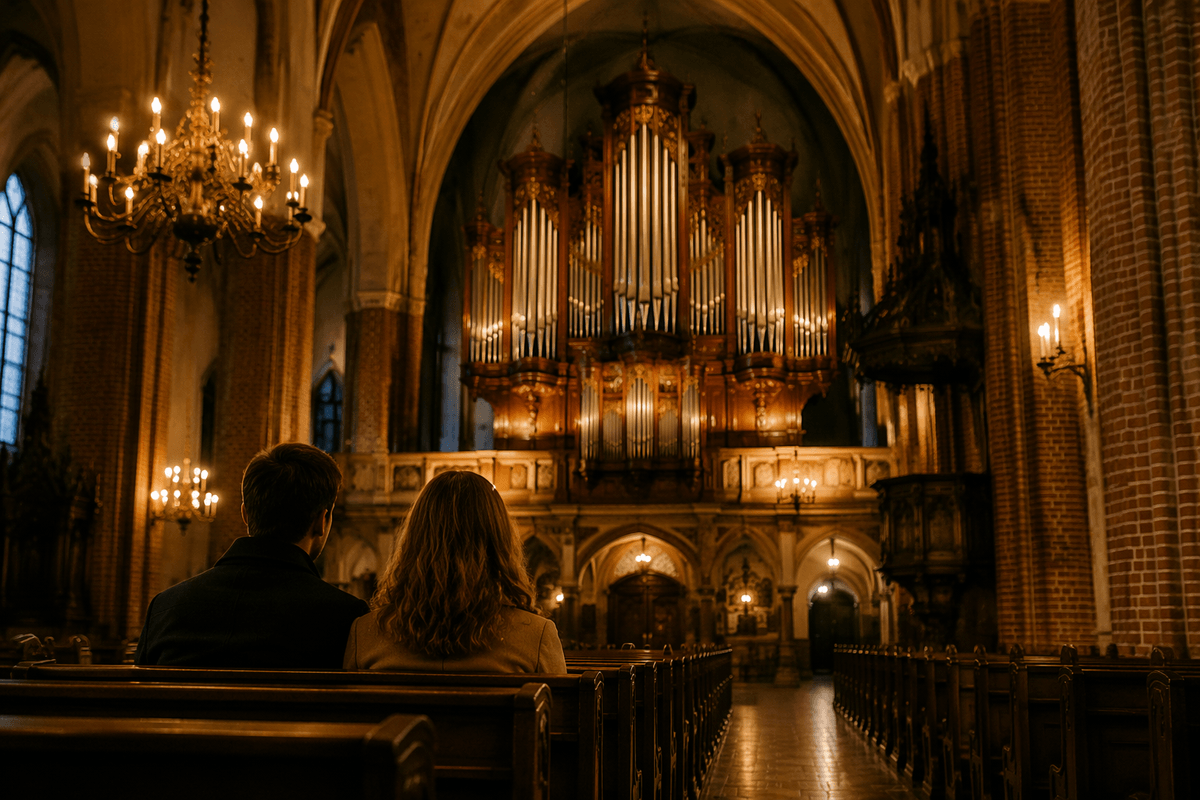
The real question: which cathedral concert fits you?
I hesitated with my phone in one hand and a crumpled museum ticket in the other, staring at a concert listing that just said “organ music, 19:00.” It looked simple until I realized my window was basically one Old Town dinner slot, plus whatever time it takes to cross Doma laukums when it’s busy. Buying “just in case” felt wasteful; waiting felt like a gamble.
The real question isn’t “Is the Riga Cathedral organ good?”—it’s whether the concert format matches how you want to spend a limited evening. If you want an “only-in-Riga” moment with minimal planning, a short organ concert can beat a second sit-down attraction: you’re seated, it’s weather-proof, and it doesn’t demand museum-level attention when you’re tired. If you’re hoping for a full orchestral sweep, a guided narrative, or something intimate, the cathedral setting can feel more like a shared public event than a private treat—especially when the crowd flow is tour-group heavy.
It tends to work best for couples who like architecture and big, physical sound, and who can tolerate a bit of formality (quiet entry, no wandering, limited late seating). If your priority is lingering over cocktails, squeezing in sunset photos, or keeping the night flexible, the concert can feel like a fixed appointment that cuts the evening in half. Are you excited by 45–70 minutes of organ-focused listening, even if the program isn’t “greatest hits”?
Pick the right concert and season
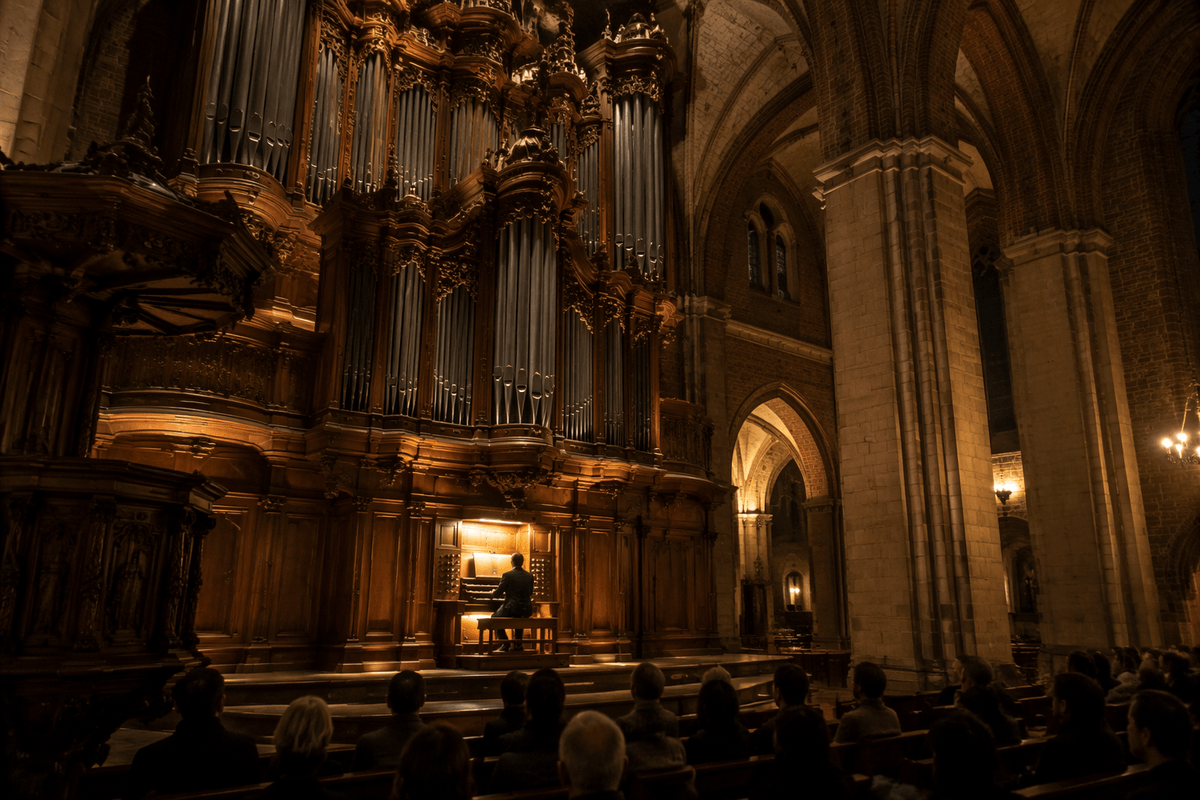
At 16:40 I zoomed the calendar and noticed two events that looked identical until I tapped the details: one was a straight solo-organ set, the other added a vocalist and a lot of “Ave Maria” you’ve heard a hundred times. That tiny difference matters more here than the seat map, because the cathedral space makes everything feel bigger—sometimes thrilling, sometimes a bit blunt.
If you want the pure “Riga Cathedral organ” experience, prioritize listings that are explicitly solo organ (or organ + one instrument) and read the program titles like you would a menu: Baroque-heavy nights tend to feel cleaner and more architectural, while mixed “popular classics” programs can skew tourist-friendly but easier to enjoy when you’re museum-tired. The trade-off is predictability versus wow-factor; a safer, familiar program is rarely the most surprising one.
Season nudges the vibe, too. Summer evenings bring denser crowd flow around Doma laukums and a higher chance of large groups, which can make the entry feel like a shared public event rather than a date. In late autumn and winter, the cathedral can feel colder and the walk there less photogenic, but the concert can land better as a warm, fixed anchor after museums—especially if you’re booking 1–2 days ahead and don’t want to chase a fully booked restaurant scene. If your only free slot is a tight 19:00–21:00 window, choose the shorter-sounding program and protect dinner time instead of hoping you’ll “speed-run” Old Town after.
Tickets, arrival timing, and entry basics
I almost hit “buy” on my phone at 18:12 while standing outside a bakery, then stopped because the ticket page didn’t make it obvious what “unreserved” really meant. That one word changes your night: it’s either a relaxed stroll to Doma laukums, or a small race to beat the line and avoid getting stuck at the very back. If you’re booking 1–2 days ahead, you’re usually choosing between certainty (pre-buy) and flexibility (walk-up), and the better choice depends on how tight your dinner plans are.
For a mid-budget couple with a limited evening slot, I’d treat tickets like a time-saver, not a luxury upgrade: pre-buy if you’ll be annoyed by queue uncertainty or if you’re timing it between museums and a reservation. Walk-up can work when you’re already nearby and don’t mind the possibility of “not tonight,” but it’s a bad fit if this is your one “only-in-Riga” anchor. Aim to arrive roughly 20–30 minutes early—early enough to settle without feeling like you spent your whole golden hour waiting, but not so late that the best central blocks are gone.
Entry is usually straightforward and mildly formal: quiet voice, phones off, and assume you won’t be able to roam once it starts. That’s the trade-off for an easy, weather-proof evening—less spontaneity, more structure. If you run late, you might still get in, but you’ll feel it in the stress (and in the seat options), so build in a buffer for Old Town crowd flow and the slow “where exactly is the door?” moment.
Where to sit for best sound
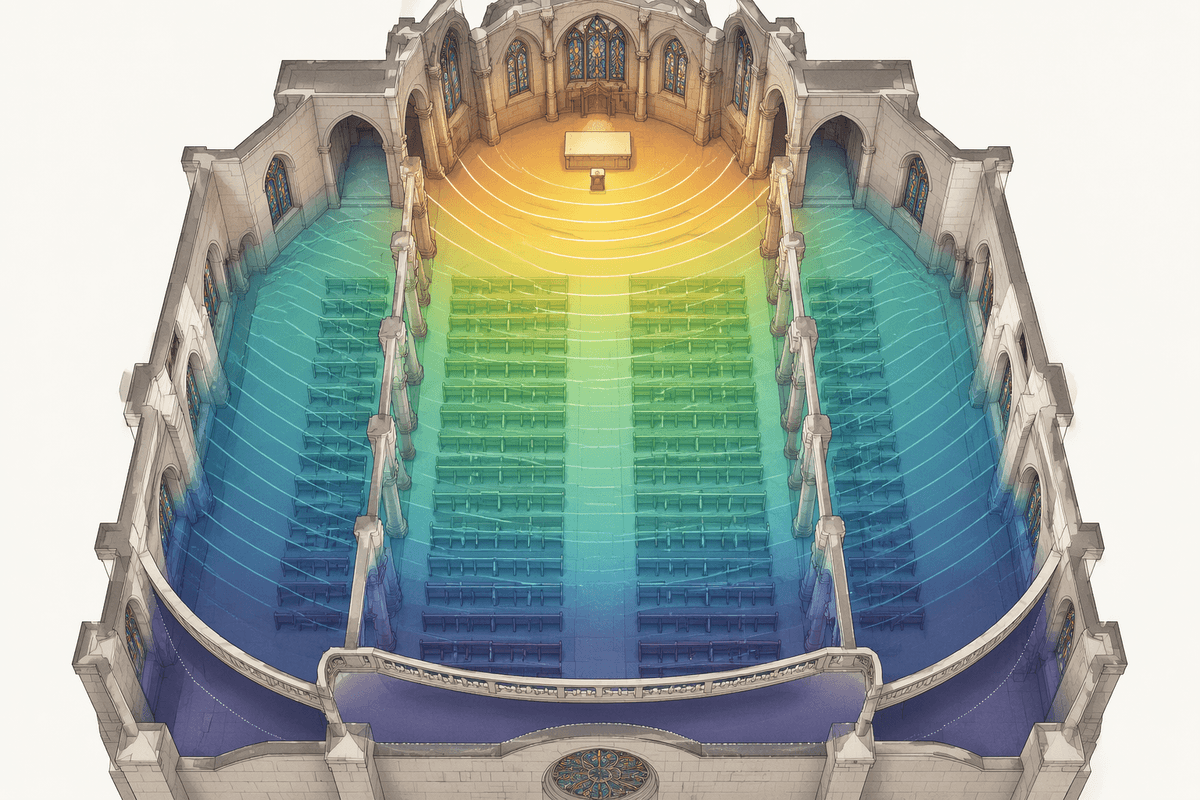
At 18:43 we stepped inside and I paused at the back, letting my eyes adjust from the bright square to the darker nave while ushers waved people forward. The organ pipes felt impossibly far away compared to the “close is best” logic you’d use at a small hall. With unreserved seating, you’re not choosing perfection—you’re choosing the kind of sound you’ll accept for the next hour.
For most couples, the safest acoustic bet is the central block, a bit back from the very front—close enough that the attack of the notes stays clear, far enough that the space has time to blend the sound instead of firing it straight at you. Front rows can feel impressive but slightly harsh (and you’ll spend more time looking up than listening), while the far back risks a softer, more distant mix—fine if you’re there for atmosphere, less satisfying if you’re picky about detail. Side aisles are the big trade-off seat: easier entry/exit if you’re cutting it close on timing, but you may lose the “centered” stereo feel and notice crowd movement more.
If you’re arriving 10 minutes before start, don’t waste energy hunting a mythical sweet spot; pick a calm seat quickly, ideally not directly under a balcony edge, and commit. This is one of those Riga evenings where lowering your standards slightly can save the date-night mood—especially if you’ve still got dinner plans and don’t want the concert to turn into a seating stress test.
Turn it into an Old Town evening
At 20:12 the doors opened and we spilled back onto Doma laukums into that awkward half-hour where you’re too early for a late dinner and too late for “one more museum room.” The square felt louder than when we went in, with people clustering around menus and tour groups trying to regroup. I remember checking my watch and realizing the concert didn’t end my evening—it reset it.
If you want it to feel like a Riga night rather than a “scheduled activity,” plan a short, close-in loop: concert first, then a slow Old Town wander that doesn’t require punctuality. The trade-off is photos versus comfort—golden hour is usually before the concert, but the post-concert walk works better for couples who like dim streets, lit-up façades, and a calmer pace. This is also where mid-budget planning pays off: pick a restaurant within a 5–10 minute walk so crowd flow doesn’t turn your “romantic stroll” into a brisk navigation exercise.
What works well is a flexible booking: aim for a reservation about 30–60 minutes after the scheduled end time, not immediately after, because exits bottleneck and you may want a quick drink without committing to a second full sit-down. If you’re already museum-tired, skip the “one more bar” temptation and do dessert or a nightcap near the river instead—less decision fatigue, more of that only-in-Riga atmosphere without feeling like you’re racing the clock.
My default plan for first-timers
At 17:55, with a museum closing receipt still in my pocket, I set a hard rule: if we couldn’t be at Doma laukums by 18:30, we’d skip the concert and salvage the evening elsewhere. That cutoff sounds strict, but it’s the difference between walking in calm and spending your “only-in-Riga” slot scanning for two seats while everyone else funnels forward. Riga’s Old Town distances are short; the real variable is hesitation.
My default first-timer plan is deliberately boring: choose the most straightforward solo-organ listing that fits your day, pre-buy if it’s your one must-do, and plan to arrive 25 minutes early. Once inside, take the first decent pair in the central block slightly back from the front; it’s a better average outcome than chasing “perfect” and ending up off-center. The trade-off is you’re optimizing for reliable sound and mood, not for the closest view of the pipes.
Afterwards, don’t schedule anything that punishes a slow exit. I’d pencil in a restaurant reservation for about 45 minutes after the advertised end time within an easy 5–10 minute walk, then let yourselves drift: a short loop through lit streets, one drink if you’re still alert, straight to dessert if you’re not. If you’re already debating whether it’s touristy, that’s actually your cue—go once, keep it simple, and judge it by how it lands in your body, not by the program notes.
![6 Best ButterflyMX Alternatives [Video Intercom Systems]](static/image/2026/07/14/dde0dbcd-f7bc-446a-96b8-3fe8a10457ef.png)




![Learn to Invest by Yourself [Beat the Market With Investing Basics]](static/image/2026/07/14/0c228cd1-fbac-42e5-9480-a2074601a70d.png)